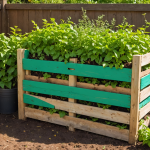
Vertical gardening offers a multitude of benefits that can greatly enhance the homesteading experience for urban dwellers. For those living in limited spaces, this innovative gardening method allows you to maximize your growing potential without needing a large outdoor area. By utilizing vertical space, you can transform walls, fences, and even small balconies into vibrant green havens that are both aesthetically pleasing and productive.
One of the key advantages of vertical gardening is its ability to improve air quality. Plants naturally filter the air, absorbing carbon dioxide and releasing oxygen. This is particularly beneficial in urban environments where air pollution can be a significant concern. Incorporating a vertical garden can lead to a more inviting and healthier living space.
In addition to improving air quality, vertical gardens also help in reducing urban heat. The plants act as natural insulators, keeping buildings cooler during hot summer months. This can translate to lower energy costs and a more comfortable living environment.
Another major benefit is the potential for increased food production. Urban homesteaders often seek ways to grow their own food, and vertical gardens can yield a surprising amount of produce in a compact area. Herbs, salad greens, and even fruits like strawberries can thrive in vertical systems, making fresh food accessible right from your home.
Moreover, vertical gardens require less weeding and can reduce pest problems. With the plants elevated, it becomes easier to monitor their health and protect them from garden pests. The vertical setup also allows for better drainage and airflow, which can lead to healthier plants.
When planning to set up a vertical garden, cost-effectiveness is another factor to consider. Many vertical gardening systems can be created using repurposed materials, reducing waste and saving money. You can use old pallets, hanging shoe organizers, or even recycled plastic bottles to create unique and functional designs that fit your style and budget.
Lastly, vertical gardening can serve as a delightful form of personal expression. The creative possibilities are endless, allowing you to showcase your gardening skills while adding a splash of color and life to your urban setting. Incorporating various plants and arranging them in a visually appealing manner can create a stunning focal point in your home or outdoor space.
The benefits of vertical gardening for urban homesteaders are significant, ranging from improved air quality and energy efficiency to practical benefits like increased food production and reduced pest issues. Embrace this dynamic gardening style to transform your living environment into a thriving green oasis.
Choosing the right vertical gardening systems
Choosing the right vertical gardening system is crucial for successfully establishing a flourishing green space in urban environments. Various systems cater to different needs, preferences, and available spaces, making it essential to understand the options available. The goal is to select a system that not only suits the plants you wish to grow but also fits well within your specific living conditions, whether that’s a small balcony, a patio, or a wall space.
There are several types of vertical gardening systems, each with its unique advantages. Here’s a breakdown of popular vertical gardening systems:
| System Type | Description | Best For |
|---|---|---|
| Pocket Planters | Fabric or felt pockets that hang on walls or frames, ideal for small plants and herbs. | Herbs, small flowers, and leafy greens. |
| Wall Planters | Rigid planters mounted on walls with individual compartments, allowing for a range of plant sizes. | Medium to large plants like tomatoes and strawberries. |
| Pallet Gardens | Reclaimed pallets that can hold soil and plants, positioned vertically against walls. | Creative and rustic decor for a variety of plants. |
| Hydroponic Systems | Soilless growing systems that use nutrient-rich water to nourish plants, often with integrated lighting. | High yield plants like lettuce and herbs, especially indoors. |
| Green Walls | Complex systems that use modular containers or a frame filled with a growing medium and specialized irrigation. | Large scale productions and ornamental walls for aesthetics. |
When selecting a system, consider factors such as the available sunlight, the types of plants you wish to grow, the space you have, and your budget. For example, if your space receives limited sunlight, a hydroponic system equipped with grow lights could be the best choice to maximize growth potential. Conversely, if you aim for a simple and cost-effective option, creating a pallet garden or using pocket planters might suit your needs better.
Another important aspect of choosing a vertical garden system is the material used. Lightweight, durable options such as treated wood, metal, and recycled plastics are commonly preferred, as they can withstand outdoor conditions while requiring minimal maintenance. Additionally, ensure that your chosen system has proper drainage to prevent water buildup, which can lead to root rot and plant health issues.
Ultimately, your choice should reflect not just the practical requirements but also your aesthetic preferences and the overall design of your living environment. Personalization through the arrangement of colors, types of plants, and accompanying decorative elements can create a unique and inspiring vertical garden that enhances both your gardening experience and your urban space.
Best plants for vertical gardens
When it comes to selecting the best plants for your vertical garden, it’s essential to consider not only your personal preferences but also the unique needs of each plant and the specific conditions of your growing space. Some plants thrive in vertical setups, while others may struggle. Here’s a curated list of plant varieties that are excellent choices for vertical gardening:
- Herbs: Many herbs flourish in vertical gardens, including basil, mint, parsley, and thyme. They are typically aromatic, compact, and can easily be pruned to promote bushier growth. Plus, having fresh herbs at arm’s reach for cooking adds flavor to your meals!
- Leafy Greens: Varieties such as lettuce, spinach, and kale are great for vertical spaces. They have shallow roots and grow quickly, allowing you to enjoy multiple harvests throughout the growing season. A tiered wall planter can be particularly effective for these greens.
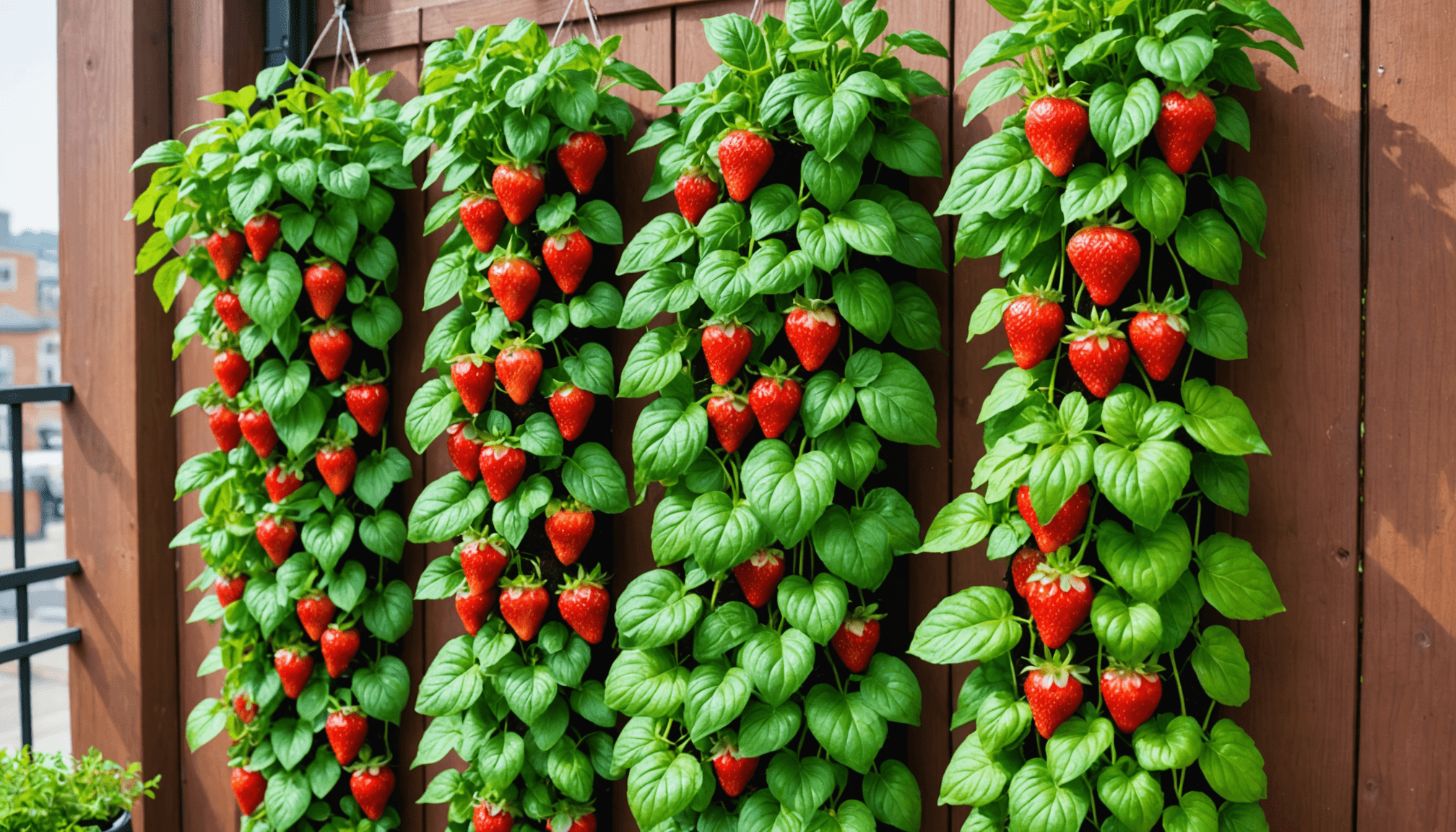
- Strawberries: These delightful fruits can thrive in hanging planters or tiered vertical systems. Choose everbearing varieties that produce fruit throughout the summer for a continuous harvest. Their vibrant red color also adds visual appeal to your garden.
- Peas: Pole varieties, such as sugar snap peas, can take advantage of vertical supports. They’re not only productive but also add greenery and structure to your garden. As they grow upward, they create a charming natural curtain effect.
- Succulents: For those who prefer low-maintenance options, succulents are perfect candidates for vertical gardens. Varieties like sedum, echeveria, and string of pearls can thrive in well-drained vertical systems and add a pop of color, especially in sunny spaces.
- Flowers: Annuals such as petunias, nasturtiums, and violets can be lovely additions to vertical gardens. They not only beautify your space but also attract pollinators like bees and butterflies, enhancing the biodiversity of your urban garden.
While selecting plants, consider the climate and sunlight availability in your area. For instance, if your vertical garden enjoys full sun, opt for sun-loving plants like lavender or rosemary. Conversely, if your space gets partial shade, ferns and shade-tolerant herbs like chives or cilantro may be more suitable.
Additionally, think about the growth habits of the plants you choose. Climbing varieties like beans or cucumbers need support structures, while trailing plants like strawberries can dangle and create a cascading effect. Mixing different growth habits can create visual interest and help in utilizing the vertical space effectively.
Don’t forget to rotate your plants periodically to prevent overcrowding, promote even growth, and minimize pest infestations. This simple step can significantly enhance the health and productivity of your vertical garden.
By carefully selecting the right plants for your vertical garden, you can create a lush, productive, and visually appealing space that thrives in your urban environment. Happy planting!
Space-saving techniques and designs
Creative space-saving techniques and designs are essential for maximizing the potential of your vertical garden while ensuring functionality and aesthetics coexist harmoniously. By optimizing your available area through innovative arrangements and efficient layouts, you can bring life and greenery into even the tiniest urban spaces.
One popular technique is the use of tiered planters. These planters are designed with multiple shelves to hold different rows of plants at various heights. This not only helps in maximizing light exposure for each plant but also allows for easier access during watering and harvesting. Tiered systems can be made from stacked wood boxes or modular plastic units, catering to diverse budgets and styles.
Another effective method is incorporating vertical trellises or grids into your design. These structures can support climbing plants such as beans, cucumbers, and tomatoes, which not only save ground space but also add height and depth to the garden. Trellises come in various styles—from simple wooden frames to elaborate, decorative ironworks—allowing for a personalized touch that complements any outdoor or indoor theme.
Vertical gardening can also benefit from using wall-mounted systems. Utilizing walls effectively can transform a bare vertical space into a lush garden. Wall-mounted pots or pockets can be arranged in artistic patterns, creating a stunning living mural. This approach not only breathes new life into dull walls but also utilizes space that would typically remain unused.
“Gardening is a way of showing that you believe in tomorrow.” – Anonymous
Consider also the possibilities of hanging planters. Utilizing ceiling hooks or sturdy beams, you can hang pots filled with trailing plants like ivy, ferns, or even strawberries. This not only saves space but also draws the eye upward, creating a sense of height and dimension within your garden.
Integrating furniture or functional items into your vertical garden design is another clever technique. For instance, using a staircase railing as a support for pots or attaching hooks to a wooden fence can create intriguing vertical arrangements that are both practical and decorative. These designs provide an opportunity for you to combine multiple uses in small spaces, ensuring your vertical garden serves as both a functional garden and a stylish design element.
Another effective space-saving option is the use of recycled materials for creating vertical gardens. Old pallets, wine crates, or even shoe organizers can be repurposed into innovative planting solutions. Not only does this approach reduce waste, but it also lends a rustic charm to your garden while conserving resources.
Lastly, when planning your vertical garden, aim for an arrangement that considers the light needs of your plants. Placing taller plants that require more sunlight at the top or in prominent positions ensures that all of your plants receive adequate exposure without sacrificing their growth potential. Mix plants with varying light and water needs for efficient care; group those that thrive together to simplify maintenance while enhancing the overall aesthetic of your garden.
By using these space-saving techniques and designs, you can cultivate a vibrant vertical garden that brings nature closer to your urban lifestyle, proving that even the smallest areas can become thriving green oases.
Maintenance tips for thriving vertical gardens
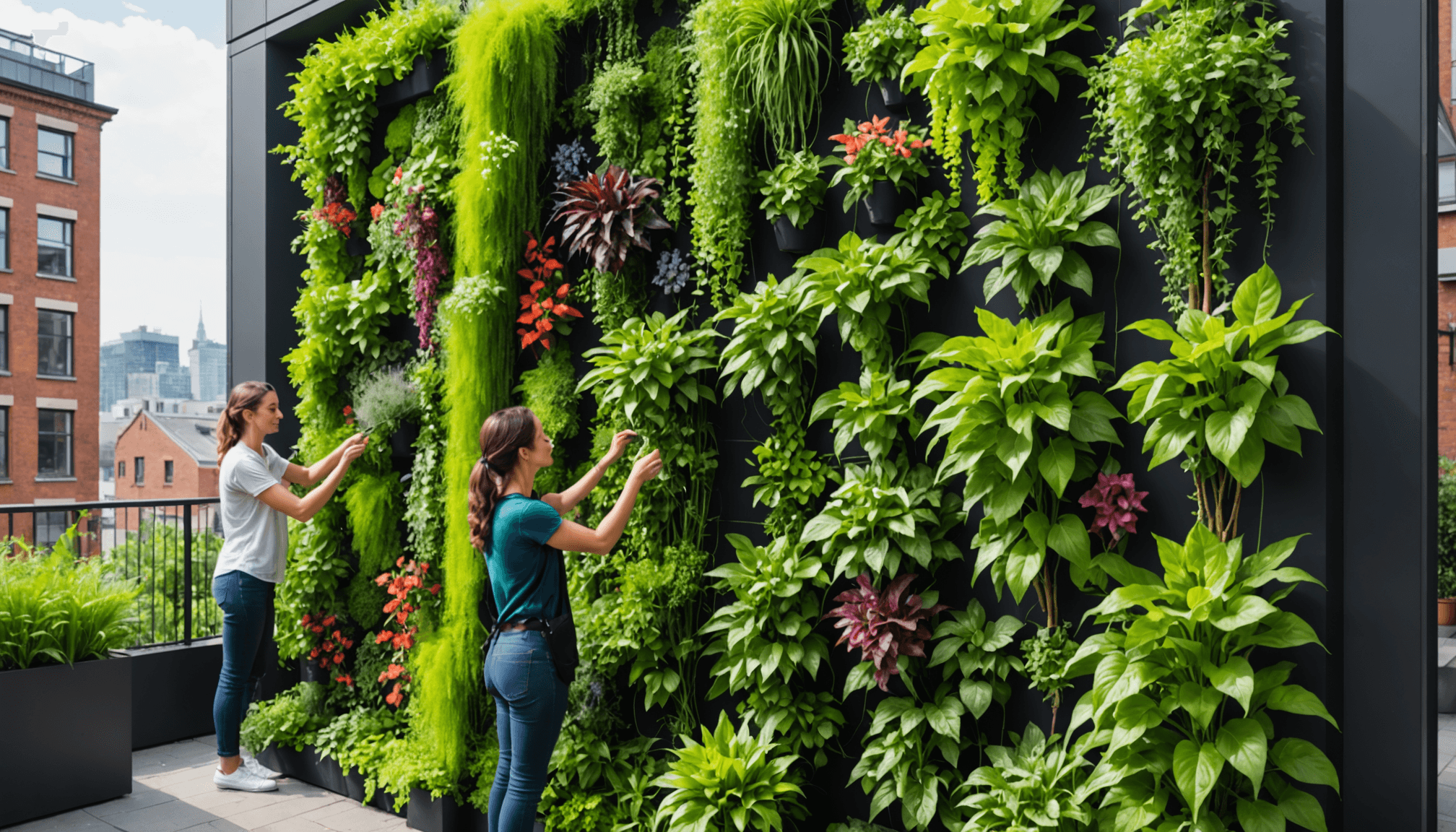
Maintaining a thriving vertical garden requires intention and commitment, but the rewards of fresh herbs, vibrant flowers, and fresh produce are well worth the effort. Regular watering is crucial, and it’s best to check the moisture level of your plants frequently, as vertical systems can dry out more quickly than traditional gardens. Depending on the types of plants you’re growing and your local climate, you may need to water daily or implement a drip irrigation system to ensure consistent moisture levels.
Fertilization is another essential aspect of maintenance. Since plants in vertical gardens are often planted closely together and may have limited soil volume, providing them with nutrients is vital. Use organic fertilizers or compost, and consider a slow-release formula to sustain your plants over time. Additionally, integrating a routine for deadheading, pruning, and harvesting is beneficial; removing spent flowers keeps the garden looking tidy, while pruning promotes healthier growth and increases air circulation around the plants.
Pest management is also pivotal for the health of your vertical garden. Keep an eye out for common garden pests such as aphids or spider mites. An integrated pest management approach is recommended, which can include natural remedies like neem oil or insecticidal soaps. Encouraging beneficial insects and maintaining plant diversity can also help control pest populations and create a more resilient garden ecosystem.
Lastly, avoid overcrowding your vertical garden. While it may be tempting to plant as many varieties as possible to maximize yield, overcrowded plants can lead to stunted growth, disease, and competition for resources. Allow enough space for each plant to thrive, and regularly assess your garden’s layout and growth habits to make necessary adjustments. Keeping a maintenance schedule tailored to your unique garden dynamics will ensure that it remains a flourishing and productive space amidst the urban environment.
- How often should I water my vertical garden?
- Watering frequency depends on the types of plants you’re growing and the climate. Typically, checking the soil moisture daily is recommended, as vertical systems may dry out faster than ground gardens. You may need to water at least once a day during hot weather.
- What type of fertilizer is best for vertical gardens?
- Organic fertilizers or compost are great choices for vertical gardens. Using a slow-release formula can provide nutrients over time, promoting healthy growth for various plants in compact setups.
- How do I prevent pests in my vertical garden?
- Regular monitoring is essential to spot pests early. Utilizing natural remedies like neem oil and encouraging beneficial insects are effective strategies. Maintaining plant diversity helps create a balanced ecosystem that can minimize pest problems.
- Can I grow vegetables in a vertical garden?
- Yes, many vegetables can thrive in vertical gardens, including leafy greens, tomatoes, and cucumbers. Choose varieties that are well-suited for vertical growth and ensure they have adequate support systems.
- Is sunlight important for vertical gardens?
- Absolutely! Most plants need adequate sunlight to thrive. Position your vertical garden according to the light requirements of your chosen plants and consider rotating them as needed for optimal exposure.
- What should I do if my plants are overcrowded?
- If you notice overcrowding, consider thinning the plants by removing weaker ones or relocating them to different containers. This ensures each plant has enough space to grow and reduces competition for resources.
- How can I incorporate vertical gardens into my home decor?
- Vertical gardens can enhance your decor by transforming walls into green canvases. Use decorative pots or hang planters in artistic arrangements. Integrating plants within your living space not only beautifies but also purifies the air.
Incorporating vertical gardens into your home decor
Incorporating vertical gardens into your home decor not only enhances your living space but allows you to express your personality and creativity. With the right designs and arrangements, these gardens can become stunning focal points that breathe life into any room or outdoor area. Here’s how you can seamlessly meld your love for gardening with your home’s aesthetic:
Start by selecting the right spot for your vertical garden. Natural light is crucial, so choose a location that provides adequate sunlight for your plants’ needs. South-facing walls are often optimal due to their exposure to sunlight throughout the day. If natural light is limited, consider utilizing wall-mounted grow lights tailored for plants to ensure they thrive.
For DIY enthusiasts, repurposing everyday items as planters can lead to unique designs. Old wooden pallets can be transformed into rustic vertical gardens or painted to match your home’s color scheme. Hanging shoe organizers can serve as excellent pockets for herbs and smaller plants, offering a casual and fun touch to your home. Consider using biodegradable bags or clay pots for a more natural look.
- Use decorative pots: Choose pots that align with your home decor theme. Terra cotta bricks give an earthy vibe, while sleek metal containers might suit a modern aesthetic. Mixing textures and colors can create visual interest.
- Integrate art: Arrange plants in ways that mimic art forms—form geometric patterns, or place colorful flowers alongside dark foliage to create striking contrasts. This ‘living art’ can adorn your walls, making your vertical garden a conversation starter.
- Use shelves creatively: Wall-mounted shelves can house pots at varying heights, adding dimension and depth. You can garden vertically by placing pots along the shelves while displaying decor items like books or sculptures in between—creating an enchanting vertical display.
For indoor spaces, consider vertical garden kits designed specifically for indoor use. These kits often come with a watering system and built-in lighting, making plant care simpler. It’s also a great way to keep your plants healthy and thriving without the worry of overwatering or inadequate light exposure.
Don’t shy away from incorporating herbs into your vertical indoor arrangement. Not only do they add a subtle, pleasant aroma, but having fresh herbs like basil or mint handy for cooking makes the vertical garden both functional and beautiful.
When planning your arrangements, think about the layering of colors and heights. Taller plants can be placed in the back or at the top, while trailing plants like string of pearls can cascade down from the front. This stratification adds depth and enhances the overall aesthetic appeal.
Adding hanging planters also lets you take advantage of ceiling space. Attractive trailing plants hung from beams or hooks can draw the eyes up, creating an illusion of height in smaller areas. This technique is particularly effective in tight spaces, enabling you to maximize every inch without clutter.
Lastly, remember that incorporating vertical gardens doesn’t have to be confined to just traditional plants. Consider adding elements such as air plants, which require minimal care and can blend beautifully into a vertical setup without soil. Their unique shapes and textures can add unexpected allure while also purifying the air.
By integrating vertical gardens into your home decor, you create a vibrant atmosphere filled with nature that uplifts your space and enriches your life. Whether it’s through stylish planters, artistic arrangements, or functional herb gardens, your home can reflect your passion for both gardening and design, resulting in a harmonious living environment.