
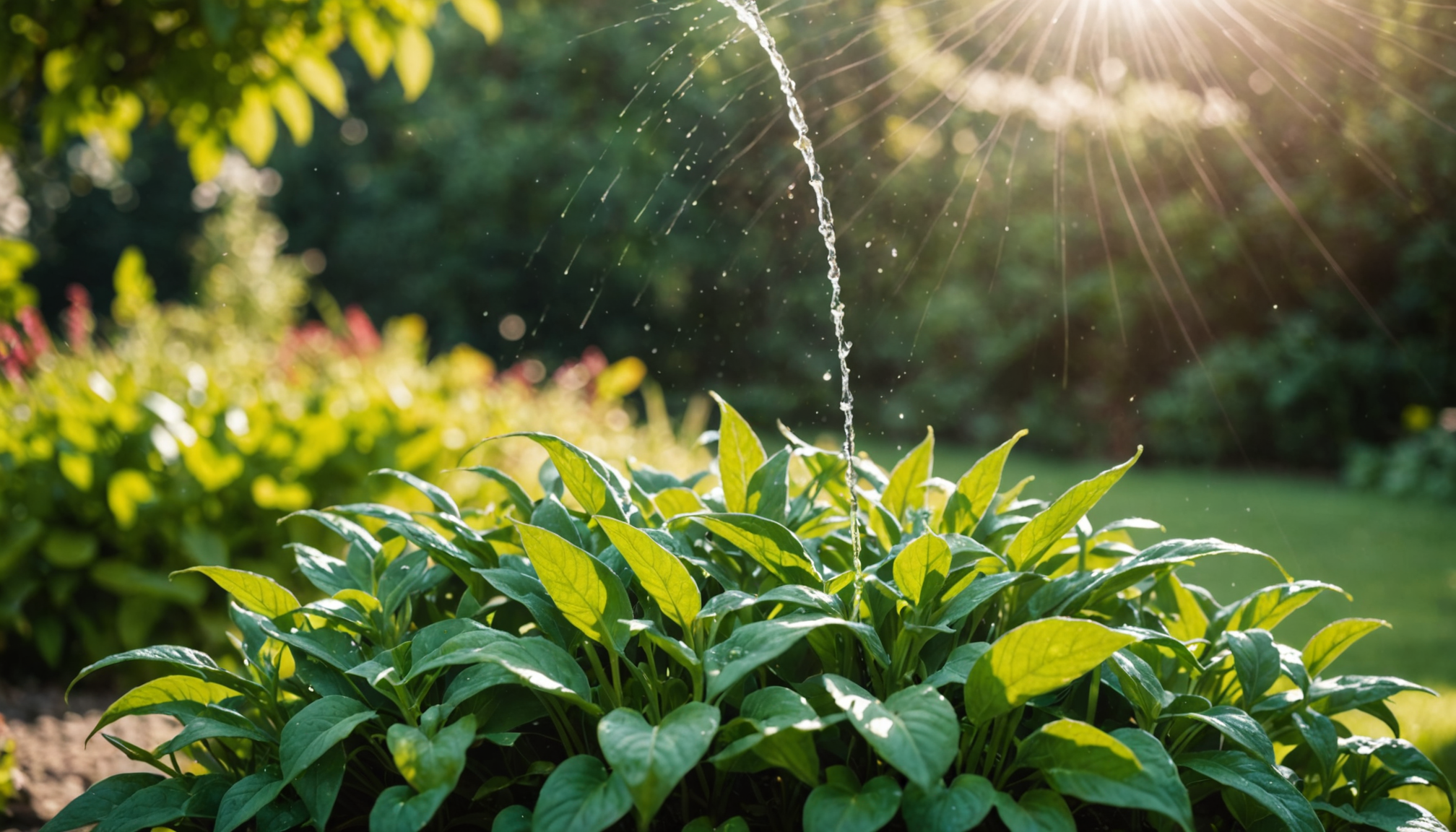
Having the right gardening tools can transform your efforts from a simple pastime into a rewarding journey of self-sufficiency and efficiency. Whether you are a seasoned gardener or just beginning your homesteading adventure, equipping yourself with quality tools will make a significant difference in your productivity and enjoyment.
Start with some essential hand tools that every gardener should own:
- Trowel: This small hand tool is perfect for digging, planting, and transferring soil. Look for one with a comfortable grip, as you will use it frequently.
- Pruning Shears: A good pair of bypass pruners allows for clean cuts that promote plant health. Consider ergonomic handles to reduce strain during use.
- Garden Fork: Ideal for turning soil and breaking up compacted earth, a garden fork can help you aerate your soil for healthier plants.
- Hoe: This versatile tool allows you to weed, cultivate, and create furrows for planting seeds, making it indispensable for maintaining your garden beds.
- Gloves: Protecting your hands is crucial. Look for durable gloves that provide a good grip while keeping your hands safe from thorns and sharp edges.
Investing in a sturdy wheelbarrow can also be a game changer. It allows for easy transportation of soil, compost, plants, or harvests, reducing the physical strain that can come with gardening. Select one with a comfortable handle and the appropriate size for your yard.
When working in a larger garden, consider adding a garden cart for more substantial loads or tools — it can hold everything from large bags of soil to multiple plants at once, enhancing your efficiency.
For those focused on sustainability, natural and ergonomically designed tools can make a world of difference. Made from sustainable materials, these tools can help reduce your carbon footprint while promoting healthy gardening practices. Always look for brands that prioritize environmentally friendly manufacturing processes.
Never underestimate the power of a good garden journal. Tracking planting dates, growth patterns, and pest issues can offer insights that will improve your gardening strategy. Consider logging your rainfall totals and when you watered, as this can help optimize your watering solutions down the line. With a reliable set of tools and a strategy in place, your journey towards self-sufficiency can be both enjoyable and fruitful.
Soil Management Equipment
Soil management is a fundamental aspect of successful gardening, as it directly influences plant health and productivity. Quality soil is essential for providing plants with the necessary nutrients, water retention, and aeration. Various equipment designed for soil management can enhance your gardening experience and promote self-sufficiency, enabling you to cultivate a thriving garden.
One of the most important pieces of soil management equipment is a soil tester. A soil test kit allows you to accurately determine the pH and nutrient levels of your soil. Knowing your soil’s composition helps you make informed decisions regarding amendments needed for optimal plant growth. For example, if your soil is too acidic or alkaline, you can use lime or sulfur to adjust the pH accordingly. This simple yet effective tool can prevent nutrient deficiencies and improve the overall health of your garden.
Another invaluable tool is a soil aerator. Compacted soil can hinder root development and reduce nutrient absorption. A soil aerator creates holes in the ground, allowing air, water, and nutrients to penetrate deeper into the soil. This is especially beneficial in high-traffic areas of your garden. A manual or gas-powered aerator can be used depending on your garden’s size, providing efficient soil aeration.
For gardeners looking to improve soil structure, a compost spreader is essential. Compost adds organic matter to the soil, promoting nutrient richness and enhancing its ability to retain moisture. Using a compost spreader can save time and labor, ensuring an even application of compost across your garden beds. This tool is particularly useful in maintaining sustainability, as it allows you to recycle kitchen scraps, yard waste, and other organic materials into valuable soil amendments.
Additionally, a tiller can be an excellent investment for creating new garden beds or reviving existing plots. A tiller breaks up compacted soil, incorporates amendments, and mixes various soil layers, promoting better aeration and drainage. Electric and gas-powered options are available, providing choices based on your preferences and the size of your garden. However, it’s essential to approach tilling with care; excessive tilling can disrupt the soil microbiome, so it’s often better suited for new plots or infrequent use in established gardens.
| Soil Management Equipment | Primary Function | Best Use |
|---|---|---|
| Soil Tester | Determine pH and nutrient levels | Seasonally to plan amendments |
| Soil Aerator | Reduce soil compaction | Regularly in high-traffic areas |
| Compost Spreader | Evenly apply compost | For enhancing organic matter in soil |
| Tiller | Break up and mix soil | When creating new beds or invigorating old soil |
Utilizing these tools can greatly enhance your gardening efficiency, enabling you to effectively create and manage healthy soil conditions. By investing in high-quality soil management equipment, you set the foundation for a productive, self-sufficient gardening experience, ultimately contributing to the health of your plants and your ecosystem.
Watering Solutions
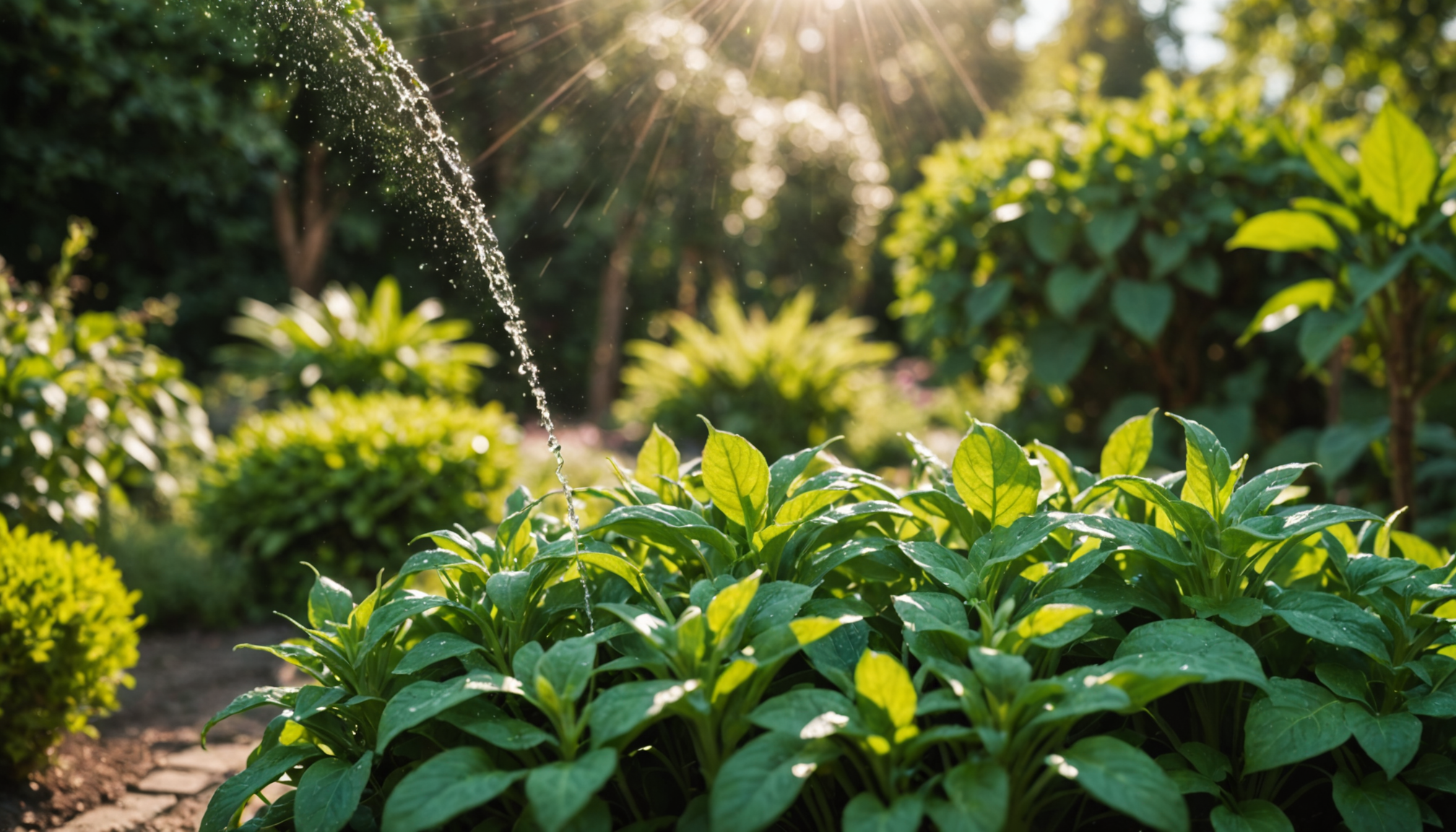
Watering is a critical component of successful gardening, as it directly impacts plant health and growth. Without the right watering solutions, even the most nutritious soil and the best seeds can lead to a lackluster garden. Understanding your garden’s specific watering needs is essential to fostering a thriving homestead.
One of the most efficient ways to water your garden is through a drip irrigation system. This method delivers water directly to the roots of your plants, minimizing water waste and ensuring deep soil penetration. Drip irrigation systems can be easily customized based on the layout of your garden. Start with a basic kit that includes drip lines, emitters, and a timer for automated watering. By automating your watering schedule, you can ensure consistent moisture levels, making it easier to achieve self-sufficiency in your gardening efforts.
If you prefer a more hands-on approach, a soaker hose is an excellent option. These porous hoses slowly release water along their length, allowing it to seep directly into the soil. Place them under mulch or directly beside plant roots for optimal effectiveness. To enhance the efficiency of your watering, consider using a rain barrel to collect rainwater. Not only does this practice conserve water, but it also provides natural, chlorine-free moisture to your plants. Position your rain barrel beneath a downspout, and remember to incorporate a screen to prevent debris and mosquitoes from entering!
When watering manually or through a hose, be mindful of the time of day you choose to water. Early morning is often the best time, as it allows plants to absorb moisture before the heat of the day causes evaporation. To make watering even more efficient, invest in a watering wand or adjustable nozzle. These tools enable you to control water flow and direction, making it easier to target specific plants and minimize wastage.
If you have a larger garden or are growing in raised beds, a garden sprinkler can save you time. Choose a model that is adjustable, so you can cover various areas of your garden. For maximum coverage, consider oscillating or rotating sprinklers, which can reach a wider radius. Remember to monitor soil moisture levels to avoid over-watering, which can lead to root rot and other plant diseases.
Consider creating a simple moisture meter using a stick or a store-bought one to measure how deeply the soil is wet. This simple advice can drastically improve your efficiency, as it helps you determine the optimal amount of watering needed for your plants. If you find areas that dry out quickly, make adjustments in your watering routine or invest in soil amendments to enhance moisture retention.
Lastly, remember to observe your plants closely. Signs of underwatering include wilting leaves, while overwatered plants often exhibit yellowing and droopy foliage. By being attuned to your plants’ needs, you can cultivate a thriving garden while achieving greater self-sufficiency in your homesteading practice.
Harvesting Tools
Harvesting is the exciting culmination of all your hard work in the garden, and having the right tools at your disposal can make the process smooth and enjoyable. Efficient harvesting not only enhances your productivity but also ensures that you handle your crops in a way that maximizes their quality and longevity. A variety of specialized harvesting tools can aid in this essential task, making it simpler for both small and large-scale gardens.
One of the primary tools every gardener should consider is a sharp harvesting knife or scythe. A good knife can assist in harvesting fruits, vegetables, and herbs with precision, while a scythe can help manage larger areas if you’re harvesting grain or tall crops. Look for ergonomically designed handles to minimize strain during extended use, ensuring efficiency and comfort. Clean cuts help reduce damage to plants and can promote a longer shelf life for your produce.
Baskets or harvest totes are vital for collecting your bounty. Choose containers that are lightweight yet sturdy, allowing you to transport harvested goods with ease. Opt for breathable materials to prevent moisture buildup, which can lead to spoilage of your fresh vegetables. If you plan to harvest fruits or delicate crops, consider using padded baskets to avoid bruising as you carry them from the garden.
For those growing larger quantities of produce, a harvesting cart or wagon can be indispensable. These tools not only enable you to transport larger volumes but also provide a convenient surface for sorting and packing your harvest in the field. Many models come with adjustable handles and sturdy wheels, making them suitable for uneven terrain and reducing physical exertion on your part.
Another essential tool for efficient harvesting is a set of clippers or pruning shears. While similar to harvesting knives, these tools are typically designed for quick cuts and are ideal for gathering herbs or selectively cutting stems from plants. Their compact size makes them easily portable, and a proper selection can make harvesting enjoyable rather than laborious.
“Great things are not done by impulse, but by a series of small things brought together.” – Vincent Van Gogh
If you are growing crops that require more finesse, such as berries or vine vegetables, a specialized harvesting tool like a berry picker can save both time and effort. These tools often feature a cone-shaped design that allows you to glide over the plants, collecting fruit without damaging the surrounding foliage. This innovation reduces the time spent on your hands and knees while ensuring that you gather the maximum amount of produce.
Lastly, don’t forget about storage solutions for your harvest. Once you’ve gathered your bounty, consider investing in breathable storage containers or bins, which can help maintain the freshness of your produce. Properly designed containers can absorb excess moisture and accommodate airflow, which is vital for extending shelf life and maintaining quality until your food is ready for consumption.
By integrating these specialized harvesting tools into your routine, you can elevate your gardening experience, enhance your efficiency, and substantially contribute to your self-sufficiency goals. The right equipment not only simplifies the harvesting process but also ensures that you enjoy the fruits of your labor to their fullest potential.
Pest Control Devices
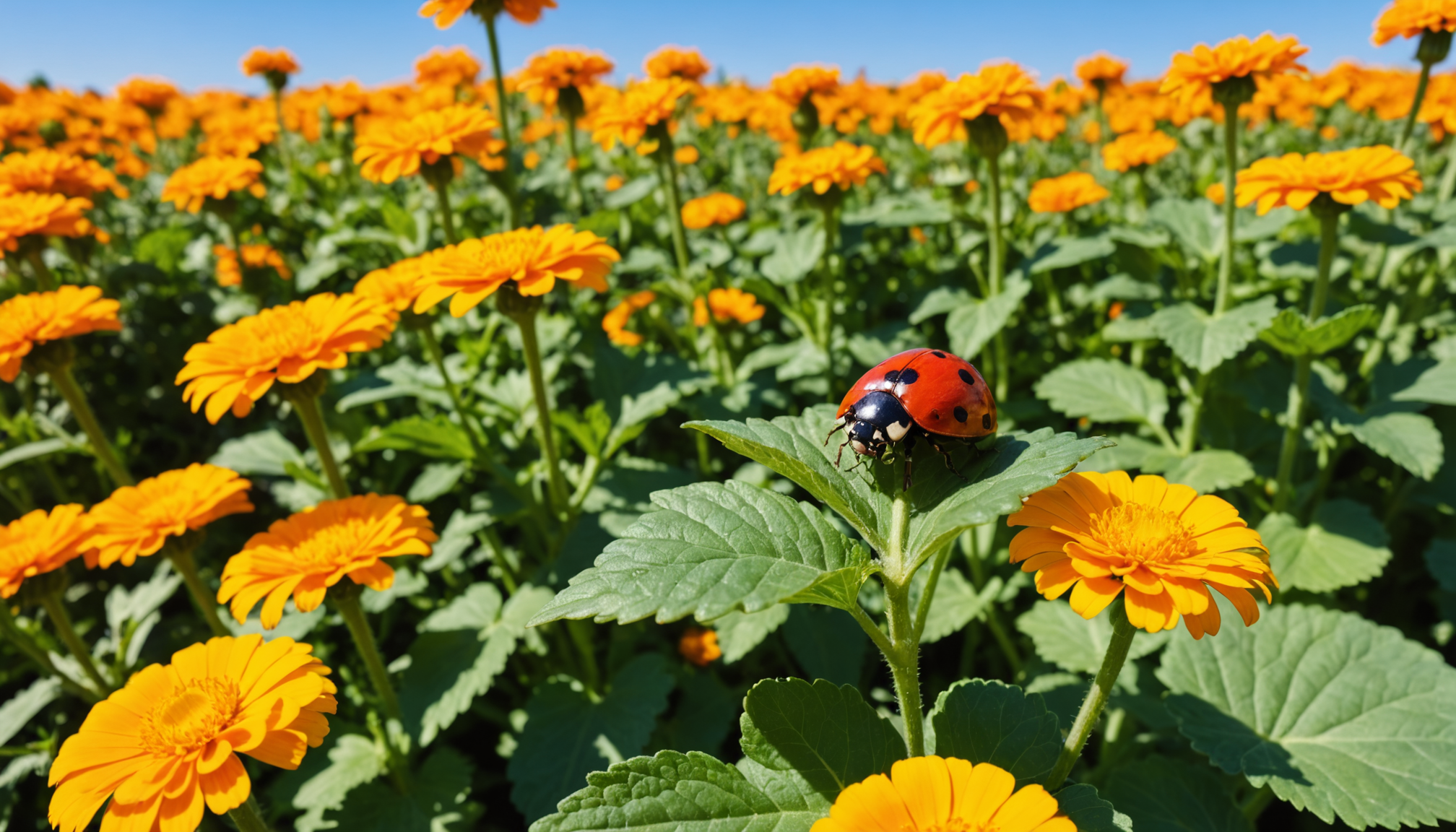 Pest management is a crucial aspect of gardening, especially for those pursuing self-sufficiency. While it can be tempting to rely on chemical solutions, understanding natural methods and efficient tools for pest control can lead to a healthier ecosystem and more sustainable practices. The aim is to create a balanced environment where beneficial insects thrive while keeping harmful pests at bay.
Start by identifying the pests that are likely to invade your garden. Keeping a close eye on your plants for signs of damage or infestation can help you address issues before they escalate. Employing beneficial insects, such as ladybugs or lacewings, can serve as natural predators to harmful pests, reducing the need for chemical interventions. Neem oil is another effective organic option; it’s a natural insect repellent that can disrupt the life cycle of pests without harming beneficial organisms.
Manual tools also play a significant role in pest control. Handpicking pests off your plants can be time-consuming but is particularly effective for larger insects like beetles and caterpillars. A dedicated insect netting or row covers can physically block pests from accessing your plants, particularly during their vulnerable stages. Opt for breathable fabrics that allow airflow while offering protection.
Traps are an invaluable addition to your pest management toolbox. Sticky traps can monitor pest populations, giving you insights into when and how many pests are present, which can inform your control strategies. Similarly, insect traps that use bait can help lure and capture pests efficiently, minimizing their impact on your garden.
Consider incorporating companion planting into your strategy. Some plants, such as marigolds, can deter nematodes and aphids, while others, like basil, are known to repel pest species that favor tomatoes. This approach not only reduces pest populations but also enhances the biodiversity of your garden, promoting a more resilient growing environment.
As you explore pest control options, consider designing your garden layout to include pest-resistant varieties. Diverse plantings can confuse pests and limit their ability to target specific crops. Moreover, maintaining soil health through practices like crop rotation and adding organic matter can bolster your plants’ defenses against insects and diseases, promoting both resilience and efficiency in your gardening practices.
Investing in pest control devices and understanding how to utilize them effectively can minimize crop loss and enhance your overall gardening experience. Being proactive about pest management not only supports your self-sufficiency goals but also fosters a thriving ecosystem in your garden, prompting you to continually learn and adapt your strategies for the best results.
- What are the best natural pest control methods?
- Natural pest control methods include using beneficial insects, such as ladybugs, and implementing organic solutions like neem oil or diatomaceous earth. Additionally, companion planting and the use of physical barriers can effectively deter pests without harming your garden’s ecosystem.
- How can I prevent pests from damaging my plants?
- Preventing pests starts with maintaining healthy soil and fostering biodiversity. Regularly inspect plants for early signs of infestation, apply organic pest control methods, and employ physical barriers such as row covers to protect vulnerable crops.
- What are some common pests to watch for in the garden?
- Common garden pests include aphids, snails, whiteflies, and caterpillars. Being familiar with their signs of damage can help you quickly identify and address infestations.
- Are there any gardening tools specifically for pest control?
- Yes, tools such as sticky traps, hand-picking tools, and insect netting are excellent for managing pests. These tools can help monitor pest populations and provide physical barriers to protect your plants.
- How does companion planting help in pest control?
- Companion planting involves placing certain crops together to deter pests and promote plant health. For instance, marigolds are known to repel nematodes and other harmful insects, creating a natural defense for neighboring plants.
- Can I use chemical pesticides in my garden?
- While chemical pesticides can be effective, they often harm beneficial organisms and disrupt the ecosystem. It’s best to explore organic and sustainable pest control methods before resorting to chemicals.
- What should I do if I have a severe pest infestation?
- If faced with a severe pest infestation, assess the situation to identify the type of pest and choose an appropriate control method. You may need to combine various strategies, including manual removal, organic treatments, and introducing beneficial insects, to manage the issue effectively.
Sustainable Practices and Resources
In the journey toward self-sufficiency, adopting sustainable practices and leveraging available resources is essential for the modern gardener. Whether you’re cultivating a few pots on your balcony or managing a full-fledged homestead, integrating sustainability into your gardening routine not only benefits the environment but also boosts your gardening efficiency.
One pivotal area to focus on is composting. Composting is an excellent way to recycle kitchen scraps, yard waste, and other organic materials into nutrient-rich soil amendments. Setting up a compost bin doesn’t require extensive resources—a simple pile or a barrel can suffice. Ensure that your compost includes a mix of ‘green’ materials (like vegetable scraps, grass clippings, and coffee grounds) and ‘brown’ materials (such as dried leaves, cardboard, and straw). Regularly turning your compost helps speed up decomposition and aerate the mixture for overall better compost quality.
Moreover, embrace crop rotation techniques. This practice involves alternating the types of crops grown in a particular area of your garden from season to season. By doing so, you reduce the risk of pest infestations and diseases that thrive in monocultures, all while balancing the nutrients in the soil. For example, follow a sequence of planting legumes followed by leafy greens, and finally root vegetables to maximize soil health and crop yield.
Your watering habits can also reflect sustainable practices. Instead of relying solely on municipal water, consider installing a rainwater harvesting system. This setup captures runoff from your roof and stores it for garden use, providing a free and natural source of irrigation. Ensure that your system includes a filtration process to eliminate debris, allowing you to distribute pure, chemical-free water to your garden.
When selecting seeds and plants, opt for heirloom or native varieties that are better suited for your local ecosystem. These plants often require less water, fewer inputs, and are more resistant to local pests and diseases compared to hybrid varieties. Supporting local seed banks or exchanges is also a great way to promote biodiversity and secure a range of resilient plant options for your garden.
Another valuable resource comes in the form of gardening partnerships. Joining community gardens or local gardening groups can provide you with knowledge and resources to expand your gardening efforts. Not only will you gain insights from fellow gardeners, but sharing tools and seeds can minimize costs and reduce waste—truly a win-win for everyone involved.
Implementing sustainable practices like these elevates your gardening experience and creates a ripple effect that benefits the entire ecosystem. As you engage with these practices, you will find yourself rooted deeper in the principles of self-sufficiency, learning to rely less on external resources while fostering a thriving garden that nurtures both your family and the environment.