
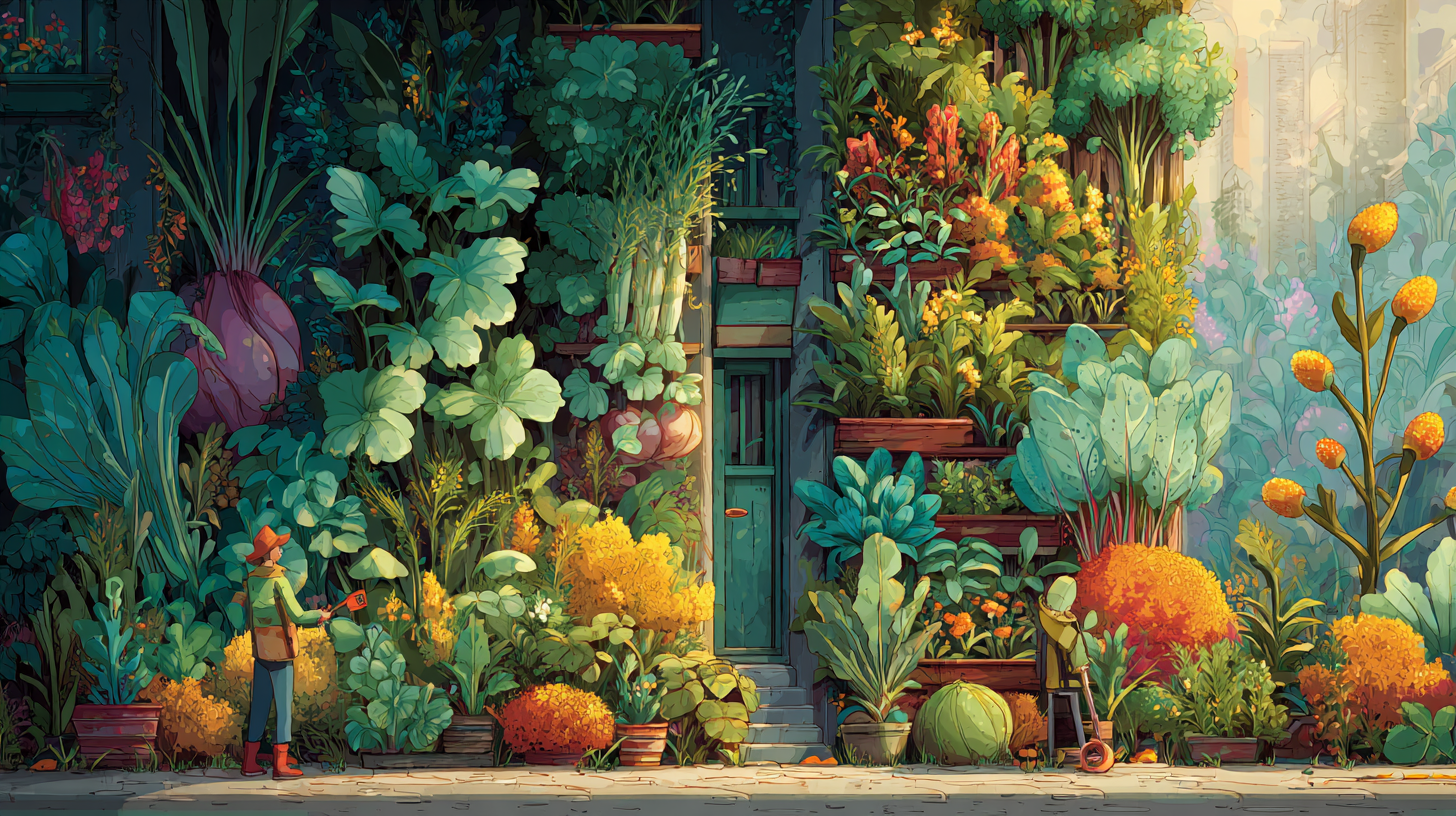
In the journey towards self-sufficiency, mastering essential skills becomes crucial. Whether you’re a seasoned homesteader or just starting out, acquiring these skills can enhance your ability to live off the land and manage your resources effectively.
One of the foundational skills is understanding how to grow your own food. This goes beyond sticking plants in the ground; it’s about knowing the right soil conditions, companion planting, and seasonal crop rotations. Start small with a garden bed or a couple of containers if space is limited. Look for local gardening workshops or online tutorials that provide guidance on planning and maintaining your garden.
Another vital skill is animal husbandry. If you’re considering raising chickens for eggs or goats for milk, familiarize yourself with their dietary needs, shelter requirements, and health care. Attend local agricultural fairs or community meetings to learn from experienced owners and perhaps even find local sources for your livestock.
- Learn basic food preservation techniques. Canning, dehydrating, and fermenting can extend the life of your produce and reduce waste. Invest in quality canning jars and equipment, and explore resources like “The Ball Complete Book of Home Preserving” for foolproof recipes.
- Develop DIY skills. Home repairs and building projects can save you money and ensure your homestead operates smoothly. Start with simple projects, like building a raised garden bed or mending fencing. There are countless online courses and YouTube channels dedicated to DIY skills.
- Consider alternative energy sources. Learning about solar panels or wind turbines can lead to greater energy independence. Research local regulations and consult experts to determine the best options for your situation.
- Practice water conservation. Collect rainwater, install drip irrigation, and understand water-efficient landscaping. Books like “Rainwater Harvesting for Drylands” can provide insightful techniques for maximizing your water resources.
Furthermore, getting involved in local homesteading communities can provide invaluable support and knowledge. Search for community-supported agriculture (CSA) programs or farmers’ markets where you can connect with local farmers and share experiences.
The skills of self-sufficiency may take time to develop, but stepping outside your comfort zone will lead to a rewarding lifestyle filled with independence, resourcefulness, and resilience. Embrace the journey, and don’t hesitate to make mistakes along the way—they’re often the best teachers!
Homesteading basics
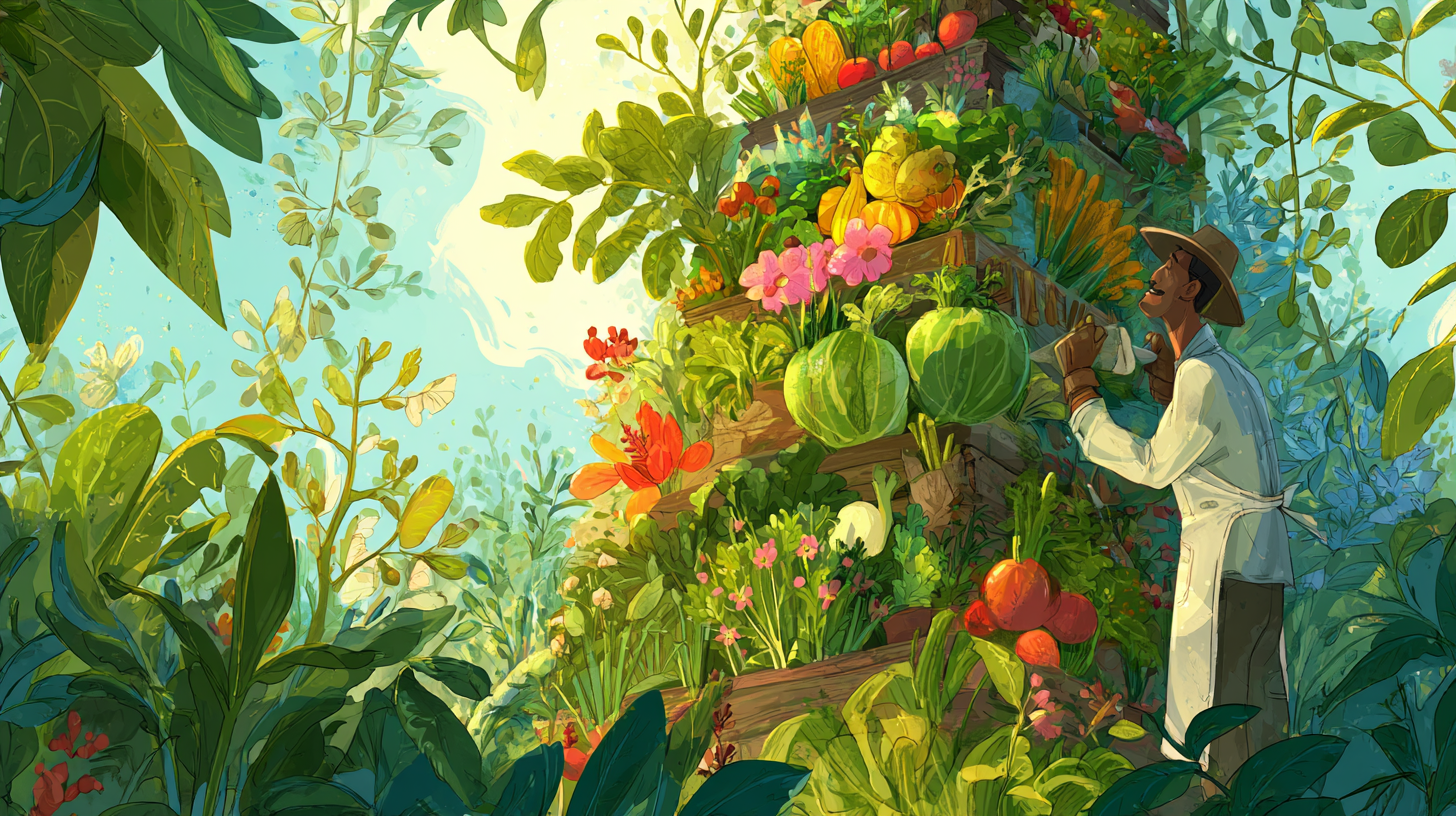
Homesteading blends traditional agricultural practices with modern sustainability techniques, offering a holistic approach to self-sufficient living. Understanding the principles of homesteading can empower you to cultivate your land effectively and ensure resources are well-managed. At its core, this lifestyle emphasizes the importance of working in harmony with nature, fostering an environment that supports both plant and animal life.
Starting with the layout of your homestead is crucial. Consider maximizing space by utilizing vertical gardening and polyculture. Vertical gardening allows you to increase yields per square foot, while polyculture—the practice of growing multiple crops in close proximity—encourages biodiversity, pest control, and nutrient cycling. For those with limited land, container gardening can be a practical solution, creating a manageable yet fruitful environment.
Animal husbandry is another critical aspect of homesteading. Each type of livestock has its own needs regarding space, diet, and care, and these factors must be carefully considered when planning your homestead. Chickens, for example, not only provide eggs but also contribute to pest control and fertilizer for gardens. Goats, known for their hardiness, can help keep weeds in check while supplying milk and fiber. Establish a routine for feeding, care, and health checks to maintain a thriving animal population.
| Animal | Primary Benefits | Basic Care Considerations |
|---|---|---|
| Chickens | Egg production, pest control, fertilizer | Coop requirements, feed, health checks |
| Goats | Milk, fiber, weed control | Shelter needs, grazing, hoof trimming |
| Rabbits | Meat, fertilizer, companionship | Housing, social needs, diet |
Moreover, exploring efficient energy systems is integral for a sustainable homestead. Implementing renewable energy solutions like solar panels or wind turbines can drastically reduce your reliance on external power sources. Researching local incentives can also help make these investments more affordable. Keep in mind that installing these systems may require some technical knowledge, so attending workshops or seeking mentorship from experienced individuals can prove invaluable.
Water management is indispensable in homesteading, particularly in regions prone to drought. Techniques such as rainwater harvesting, where gutters channel rainwater into barrels, can supplement your water supply drastically. Moreover, implementing drip irrigation ensures that your plants receive water directly at the roots, minimizing waste. Understanding soil moisture levels and plant needs is also critical, allowing you to make informed decisions that promote growth while conserving resources.
Creating a balanced ecosystem on your homestead not only aids in achieving self-sufficiency but also encourages resilience against challenges. Each aspect, from food production to energy management, interconnects, functioning as a cohesive unit that supports the overall health of the land and its inhabitants. As you acquire and refine these foundational skills, you will find that self-sufficient living is not simply about independence—it’s also about fostering a relationship with the environment that sustains you. This commitment to developing a sustainable lifestyle is what transforms a patch of land into a flourishing homestead.
Gardening and food production
Understanding the nuances of gardening and food production can significantly enhance your journey toward self-sufficiency. Start by selecting a suitable location for your garden that gets plenty of sunlight, ideally six to eight hours a day. The next step is to assess your soil quality. Conduct a soil test through a local extension service to determine pH levels and nutrient availability. You can amend the soil with organic matter such as compost or well-rotted manure to improve its fertility and structure.
Before planting, consider creating a plan based on your family’s dietary preferences and the growing season in your region. Fast-growing crops like radishes, lettuce, and spinach can provide quick yields and minimize the waiting time between sowing and harvesting. For longer-term crops like tomatoes, peppers, and squash, be sure to start seeds early indoors if your climate has a short growing season. This not only extends your harvest but also increases your chances of getting a bumper crop.
Integrate companion planting into your garden strategy. Certain plants can thrive together, benefiting from each other’s presence while deterring pests. For example, planting basil near tomatoes can enhance the tomatoes’ flavor and reduce the likelihood of pests. Likewise, planting marigolds helps deter nematodes and other garden pests, making them an excellent addition to any vegetable garden.
Incorporating various growing methods can also increase your productivity. Raised garden beds promote better drainage, and vertical gardening can maximize limited space—perfect for urban dwellers. For those with limited yard space, consider using hanging planters or wall-mounted garden systems. These colorful displays not only save space but can also become striking focal points in your garden.
- Practice crop rotation. This technique involves changing the type of crops grown in each area of the garden each year, which helps maintain soil fertility and reduces pest and disease buildup.
- Utilize organic pest control methods. Introduce beneficial insects like ladybugs or lacewings, or use homemade sprays with ingredients like garlic or neem oil to manage pests without harmful chemicals.
- Implement direct seeding for some crops. Many vegetables can be sown directly into the ground, reducing the need to transplant and allowing for quicker production. Beans, peas, and root vegetables are excellent choices for direct seeding.
- Harvest at the right time. Picking fruits and vegetables at their peak ripeness ensures the best flavor and nutritional value. Learning the signs of ripeness for each crop can enhance your culinary experience.
Staying connected with your local gardening community can also be incredibly beneficial. Joining local gardening clubs or social media groups can provide you with support, advice, and a wealth of shared experiences. You can often find opportunities for seed swaps or community gardens where you can learn from others while contributing to local horticulture.
Furthermore, consider using heirloom seeds or native plants in your garden. Heirlooms not only preserve genetic diversity but typically offer superior flavor and resilience compared to their hybrid counterparts. Native plants also require less water and care, making them excellent additions to conserve resources while supporting local ecosystems.
Lastly, remember that your gardening skills will improve with practice. Mistakes will happen—whether it’s mismanaged pests or failed crops. Each error is an opportunity for growth and learning. Keep a journal to track your successes and challenges; this can become a valuable resource as you refine your strategies year after year.
Energy independence
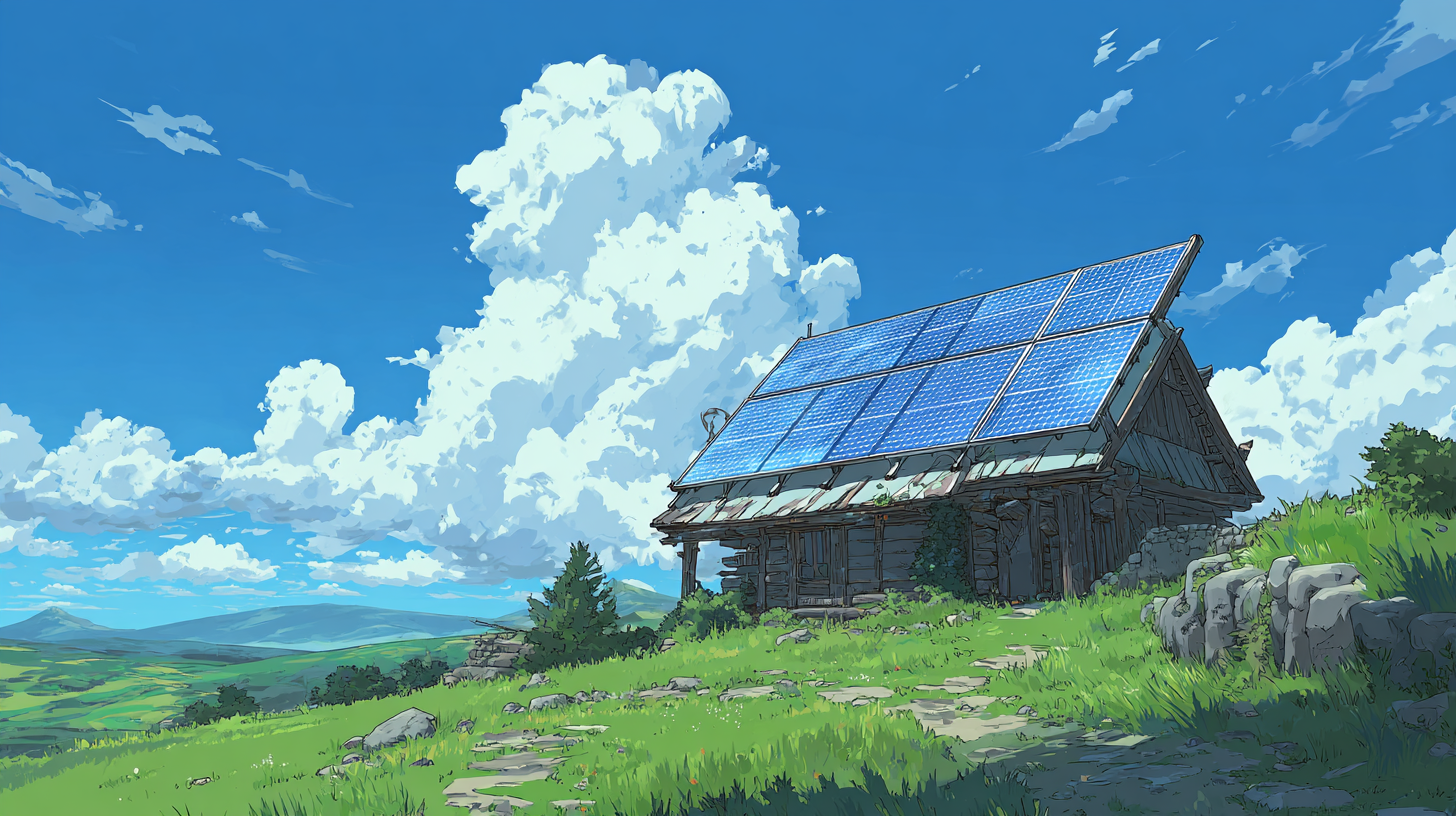
Achieving energy independence is a critical component of self-sufficient living, as it allows you to reduce reliance on external power sources and decreases vulnerability to fluctuating energy costs. Understanding various renewable energy options can empower you to harness natural resources available in your environment.
Solar energy is one of the most popular forms of renewable energy for homesteaders. By installing solar panels, you can generate your own electricity, which can power household appliances, lights, and other essential equipment. The initial investment can be significant, but many states offer incentives and rebates that can significantly offset these costs. Additionally, as technology advances and prices decrease, solar panels have become more accessible to a wider audience. Investigate options like grid-tied systems, which allow you to sell excess energy back to the grid, or off-grid systems for complete independence.
Wind energy is another avenue for energy independence, particularly in areas with consistent wind patterns. Small wind turbines can be integrated into your homestead to produce electricity for personal use. Like solar, wind energy systems involve upfront costs, but their long-term benefits can contribute significantly to your sustainability efforts. It’s essential to assess your property’s wind potential and local regulations before installation.
“In the age of renewable energy, the goal is to turn every household into its own power plant.”
Hydro power is another option if you have a suitable water source, such as a stream or river running through your property. Micro-hydropower systems can effectively convert flowing water into electricity, providing a reliable source of energy. This solution is often overlooked but can offer consistent power supply, particularly in rural settings.
In addition to generating your own energy, implementing energy conservation techniques can further enhance your self-sufficiency. Conduct an energy audit of your home to identify areas where you can improve efficiency. Simple measures, like using energy-efficient light bulbs, sealing drafts around windows and doors, and properly insulating your home, can make a significant impact on your overall energy consumption.
Employing passive solar design principles in building or renovating your home can also create a comfortable environment while reducing heating and cooling costs. Key strategies include proper orientation to maximize sun exposure, utilizing thermal mass materials, and incorporating strategic shading. These design choices can drastically reduce your need for artificial heating and cooling, leading to a more sustainable and self-sufficient lifestyle.
Finally, consider integrating backup energy systems into your plan. Generators powered by propane or natural gas can provide supplementary power during outages or periods of high demand. Batteries for solar systems can store energy for use during cloudy days or at night, enhancing your energy resilience. Monitoring your energy use and incorporating advanced energy management systems will help maximize efficiency and maintain the balance between energy production and consumption.
By exploring various energy sources and implementing conservation techniques, you will not only move toward energy independence but also cultivate a fundamental skill necessary for living off the land. Embracing renewable energy allows you to create a sustainable lifestyle, one that respects the environment while providing for your needs.
Water conservation and management
Water is life, and managing this precious resource effectively is paramount for anyone on the path to self-sufficiency. As the effects of climate change and increased water demand become ever more pronounced, understanding water conservation and management strategies can make all the difference in ensuring you have a reliable supply for your homestead. Start with simple practices that help you maximize every drop while minimizing waste.
Rainwater harvesting is one of the most effective methods for capturing and storing water. By installing gutters and downspouts that channel rainfall into barrels or cisterns, you can create an auxiliary supply that can be used for irrigation, washing, and even potable uses with adequate filtration and treatment. Look into local guidelines to ensure your rain cistern system adheres to regulations and is efficient. Remember, collecting rainwater not only preserves groundwater but also lessens the burden on municipal supply systems during dry spells.
Implementing a drip irrigation system is another excellent way to conserve water while ensuring that plants receive the necessary moisture. This system delivers water directly to the roots, significantly reducing evaporation and runoff. Many gardeners find that incorporating moisture sensors can enhance efficiency, allowing for optimal watering based on soil moisture levels. Additionally, consider mulching your garden beds. Mulch helps retain soil moisture, suppresses weeds, and eventually adds organic matter to the soil as it decomposes.
Understanding how to assess and improve the soil’s water retention is vital. The use of cover crops in the off-season can prevent erosion, maintain soil structure, and improve moisture retention when done correctly. Each type of soil behaves differently, so regularly testing pH and nutrient levels is key to knowing how to amend your soil organically, ensuring it effectively absorbs and retains moisture. Developing an awareness of your local microclimate, such as how trees and other structures affect airflow and moisture levels, can also dramatically inform your management practices.
Much like other homesteading skills, water management requires continuous learning and adaptation. Consider engaging in courses or workshops that focus specifically on sustainable water practices. Surround yourself with local experts, or join online forums dedicated to water conservation and management. Knowledge from seasoned homesteaders could lead to creative solutions unique to your climatic conditions.
As you build these skills, think creatively about repurposing gray water—this is the relatively clean wastewater from sinks, showers, and laundry. With the right setup, you can direct that gray water into your garden, promoting self-sufficiency while conserving treated water from your municipal supply. Always research local laws, as they can vary widely about gray water reuse.
The relationship between you and the water on your property is a dynamic one. Developing a keen awareness of water sources, usage patterns, and the strategies for conservation will enable you to not only thrive on your homestead but also contribute positively to the environment. It’s about mastering the delicate balance between human needs and nature’s provisions, which ultimately fosters a deeper connection to the land.
- What is rainwater harvesting?
- Rainwater harvesting is the practice of collecting and storing rainwater from roofs or other surfaces for later use. This method can significantly reduce water wastage, helping to supply water for irrigation, non-potable household uses, and even potable uses if properly filtered and treated.
- How can I improve my soil’s water retention?
- Improving soil water retention can be achieved by adding organic matter like compost or well-rotted manure. Additionally, planting cover crops, using mulch, and ensuring proper soil aeration can help create a more moisture-retentive environment.
- What are the benefits of using drip irrigation?
- Drip irrigation delivers water directly to the root zone of plants, reducing evaporation and runoff. This efficient watering method conserves water usage and ensures that plants receive a steady and consistent moisture supply, which is crucial for healthy growth.
- Is it legal to collect rainwater where I live?
- Rainwater collection laws vary by state and locality. It’s essential to check your local regulations to ensure compliance with any storage requirements or permissions needed for harvesting rainwater.
- What is gray water, and how can it be reused?
- Gray water is the relatively clean water left over from domestic activities such as washing dishes, laundry, and showering. With proper systems in place, gray water can be reused to irrigate gardens or for other non-potable uses, but it’s important to follow local guidelines regarding its reuse.
- How can I assess the moisture levels in my soil?
- You can assess soil moisture by using moisture meters, which provide a reading of the water content. Alternatively, you can perform a simple finger test: if the top inch of soil feels dry, it’s time to water. Regular testing during different seasons can guide your watering schedule.
- What are some good mulch options for gardening?
- Common mulch options include straw, wood chips, grass clippings, and bark. Each type offers different benefits—straw is lightweight and effective in weed suppression, while wood chips provide a longer-lasting barrier. Organic mulches will also enrich the soil as they decompose.
Cooking and food preservation
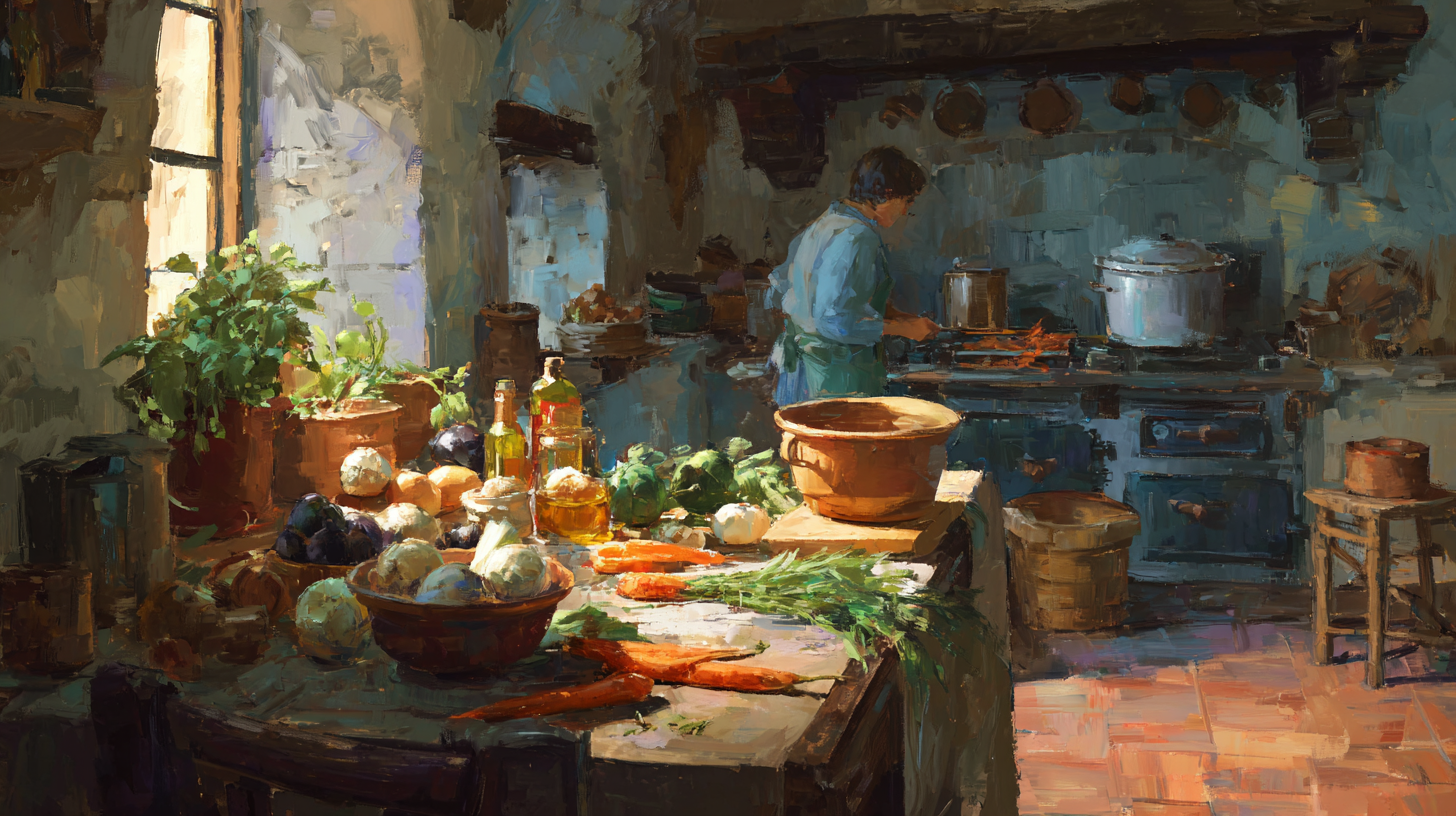
Cooking and food preservation are integral skills for enhancing self-sufficiency on your homestead. Not only do these skills empower you to make the most of your harvest, but they also allow you to enjoy nutritious, seasonal foods throughout the year. Whether you are growing your own produce or buying from local sources, knowing how to cook and preserve food effectively will greatly benefit your homesteading journey.
Start by familiarizing yourself with basic cooking techniques that highlight the flavors and nutrients in your fresh ingredients. Emphasize traditional methods like roasting, steaming, and sautéing, which can enhance the natural tastes of vegetables and meats. Consider investing time in learning how to bake bread or prepare staples from scratch, which can cut costs and reduce reliance on store-bought products. Cookbooks and online tutorials can be invaluable resources—books like “The Joy of Cooking” or websites like America’s Test Kitchen offer a plethora of tried-and-true recipes and techniques.
Once you have mastered the basics, delve into food preservation methods that can extend the life of your harvest. Here are several techniques to consider:
- Canning: This time-honored method involves sealing food in glass jars and processing them to kill bacteria and enzymes. Water bath canning is suitable for high-acid foods like tomatoes and fruits, while pressure canning is necessary for low-acid items like meats and vegetables. Always follow reliable recipes from resources like the USDA’s “Complete Guide to Home Canning” to ensure safety.
- Dehydrating: Drying fruits, vegetables, and herbs removes moisture, preventing spoilage while concentrating flavors. You can utilize a dehydrator, an oven, or even air-dry herbs on a warm summer day. Store your dehydrated goods in airtight containers away from light to maintain freshness.
- Fermenting: Fermentation not only preserves food but also adds beneficial probiotics that can enhance gut health. Start with simple recipes like sauerkraut or kimchi, which require just a few ingredients and minimal equipment. Books like “Wild Fermentation” by Sandor Katz can guide you through the process.
- Freezing: Freezing preserves food while retaining nutrients. Blanch vegetables before freezing to retain their color and texture. Make sure to use airtight containers or freezer bags to avoid freezer burn.
An essential aspect of preservation is understanding which foods are best suited for each method. For instance, berries can be frozen or canned, but leafy greens are best frozen or dehydrated due to their high moisture content. Keeping a food preservation journal can help you track which methods work best for different crops and ensure you make the most of each harvest.
Another practical tip is to integrate meal planning into your routines. By organizing your meals based on seasonal produce and preserved items, you can reduce food waste and increase efficiency in the kitchen. Create batches of soups, stews, or sauces using fresh ingredients and freeze them for later use. This approach not only diversifies your meals but also creates convenience on busy days.
Don’t hesitate to involve the whole family in cooking and preserving activities. Teaching children how to use kitchen tools safely or allowing them to pick fruits for canning fosters their appreciation for food and enhances their life skills. Community classes and workshops can also be a great way to learn in a social setting, sharing experiences and techniques with others who share your journey toward self-sufficiency.
Lastly, always prioritize food safety. Follow proper sanitation guidelines to prevent contamination during preparation and storage. Familiarize yourself with signs of spoilage and ensure that your preservation techniques meet food safety standards. Knowledge of these practices not only guarantees the quality of your meals but also protects the health of everyone in your household.
Basic repairs and maintenance
Basic repairs and maintenance are essential skills that every homesteader should acquire to ensure the functionality and sustainability of their living space. As you embrace a self-sufficient lifestyle, having the ability to perform simple repairs not only saves money but also fosters a sense of independence. Start by acquiring some basic tools that will serve you in various tasks. A well-stocked toolbox might include a hammer, screwdrivers, pliers, a wrench set, and a good set of measuring tools.
Understanding how to handle basic repairs around your home can empower you to tackle issues as they arise. For instance, learn to fix leaky faucets and toilets, as these are common sources of water waste. Familiarize yourself with how to replace washers in faucets or handle faulty toilet flappers. Resources like online tutorials or DIY websites such as Home Repair Tutor can provide step-by-step guidance and tips for efficient repairs.
Next, consider learning about home maintenance tasks that can prevent future issues. Regularly inspect your roof and gutters, ensuring they are free from debris, which can lead to leaks or water damage down the line. For homes with siding, check for any damaged areas to replace or repair promptly, as this can protect your house’s infrastructure.
- Understand the importance of seasonal maintenance. This can include tasks such as clearing gutters in the fall, checking insulation before winter, and maintaining outdoor equipment in the spring. Creating a seasonal checklist can help you stay organized and on top of necessary tasks.
- Learn basic electrical skills. Though some repairs might require a professional, many small jobs, such as replacing a light fixture or installing new outlets, can be handled yourself. Always ensure you follow safety precautions, such as turning off the power supply at the breaker box before starting any electrical work.
- Practice carpentry skills. These can be valuable for making repairs or building new items for your homestead. Simple projects like repairing fences or constructing shelves can enhance both functionality and aesthetics in your home. Multiple resources, including books like “The Complete Manual of Woodworking,” can help you learn the basics.
Bearing in mind that safety is paramount, equip yourself with safety gear such as gloves, goggles, and a dust mask when performing repairs. Also, take the time to read the instructions for any tools or materials you are unfamiliar with. Knowledge is key; knowing how and when to use each tool correctly minimizes the risk of accidents.
In addition, neighboring homesteaders can be an invaluable resource. Many communities have local tool-sharing programs, or you might find a neighbor willing to mentor you. Attending a local DIY workshop can also provide hands-on experience while fostering a sense of community. This exchange of skills goes a long way in promoting self-sufficiency, as you can learn from each other’s successes and mistakes.
Maintain a repair log or journal that details repairs completed, tools used, and any challenges faced. Not only will this help you learn from your experiences, but it can also guide you in managing future repairs more efficiently. Over time, you’ll develop a comprehensive understanding of your home’s needs and be better equipped to handle repairs swiftly.
Lastly, don’t underestimate the value of online resources and videos. Channels like This Old House or Ask This Old House offer a plethora of tutorials on various repairs and upgrades around the home, making it easy for you to gain knowledge from trusted experts. With consistent practice and engagement, these basic repair and maintenance skills will become second nature, allowing you to focus on living off the land and enjoying the fruits of your labor.