
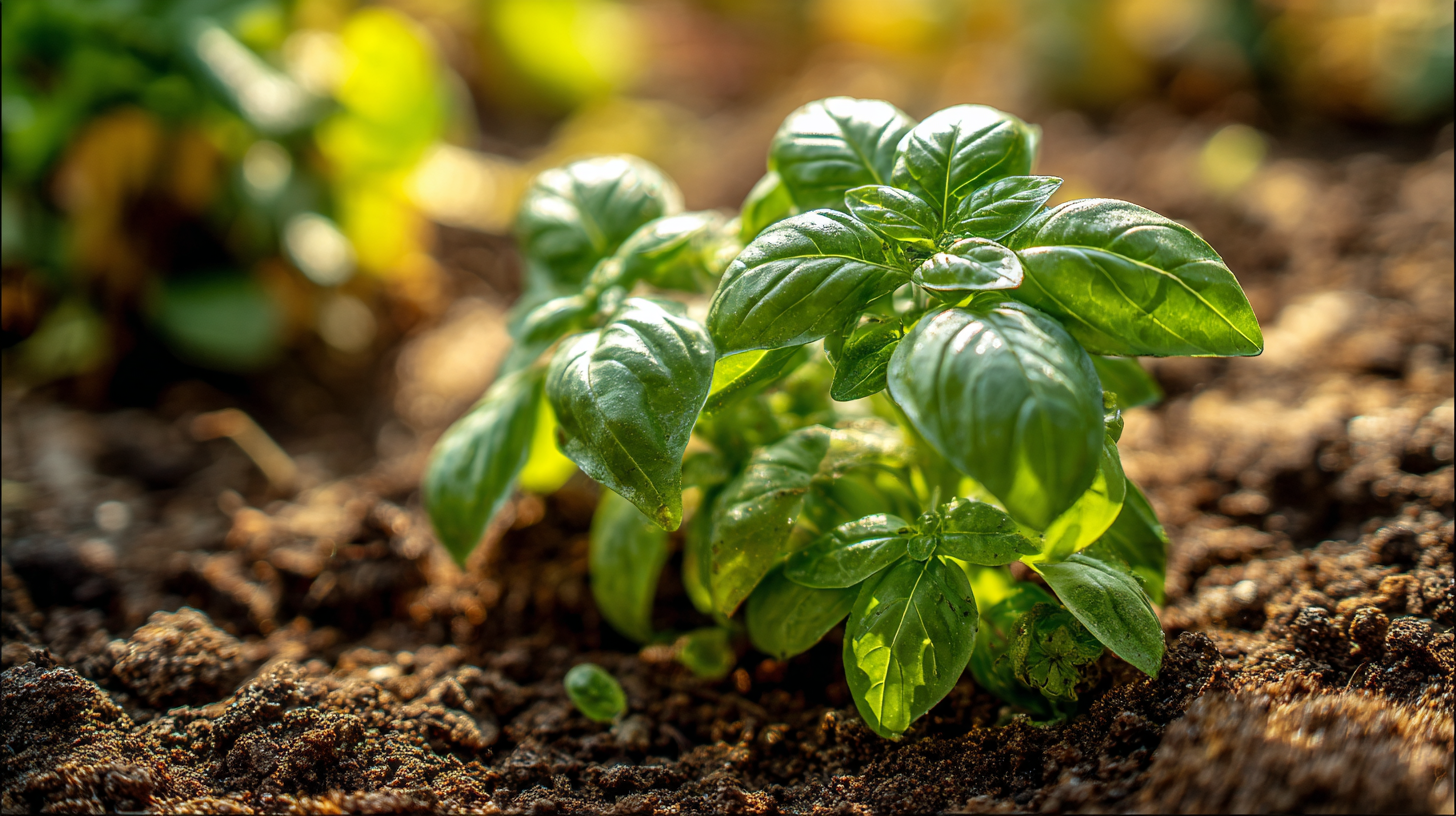
Growing herbs for self-sufficiency not only enhances your garden but also elevates your culinary endeavors and overall well-being. By cultivating these small yet powerful plants, you can significantly reduce your grocery bills, gain access to fresh flavors, and ensure quality and sustainability in your everyday meals.
One of the key benefits of growing herbs is their minimal space requirements. Whether you have an expansive garden or a petite balcony, most herbs thrive in containers or small plots, making them perfect for urban dwellers looking to embrace homesteading principles. Additionally, many herbs require less water than traditional vegetables, contributing to efficient water usage—a critical factor in sustainable gardening.
Another advantage is their impressive versatility. Fresh herbs can be added to a variety of dishes, from salads to soups, enhancing flavors while also boasting health benefits. For instance, basil is known for its anti-inflammatory properties and garlic has been reputed to boost immunity. By integrating these herbs into your diet, you can promote not only flavor but also health.
Furthermore, growing your own herbs fosters a rewarding connection with nature. The act of gardening itself can reduce stress and promote mental clarity, turning your garden into a sanctuary. The satisfaction of nurturing plants and enjoying their produce brings a sense of achievement and encourages a deeper appreciation for food sources.
When it comes to self-sufficiency, building a knowledge base is essential. Taking the time to learn about companion planting can enhance your herbal garden’s productivity. For instance, planting herbs like fennel alongside your vegetables can deter pests. Resources such as the USDA and local agricultural extensions offer guidance tailored to your region that can improve your gardening success.
Herbs can be preserved after harvesting, allowing you to enjoy their benefits long after the growing season. Methods include drying, freezing, or making herbal oils. Each method is straightforward and can be accomplished at home, contributing to a self-sufficient lifestyle.
Choosing the right herbs for your climate
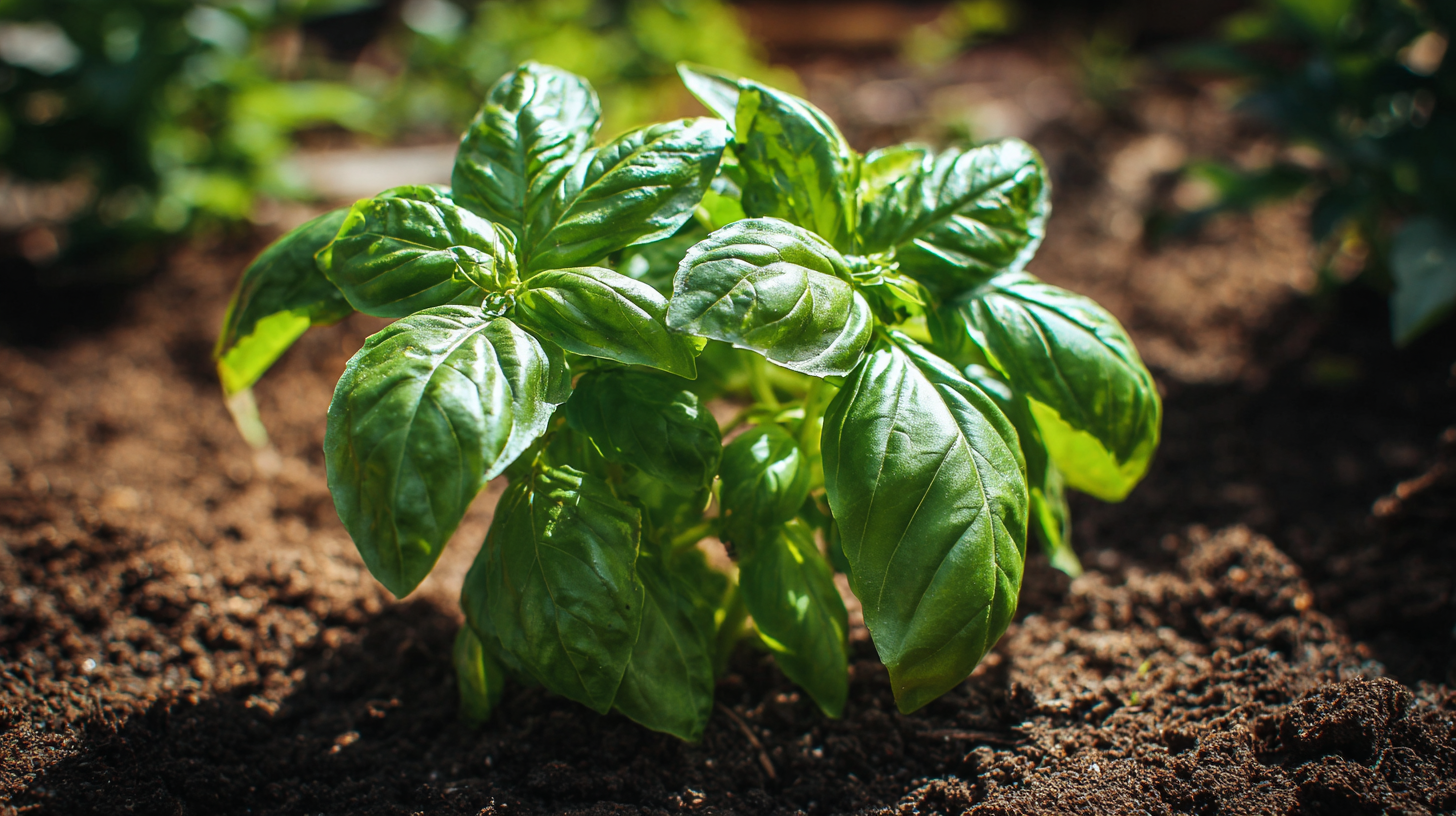
When selecting herbs for your self-sufficient garden, it is crucial to consider your local climate, as different herbs thrive in varying temperature ranges, humidity levels, and sunlight conditions. Understanding your growing zone will enable you to choose herbs that are likely to flourish in your specific environment. Here are some key factors to keep in mind:
- Temperature: Some herbs are frost-sensitive, while others can endure cooler temperatures. For instance, basil is a warm-weather herb that should be planted after frost, whereas parsley can withstand the chill of early spring.
- Sunlight: Most herbs prefer full sun, meaning at least six hours of direct sunlight per day. However, some, like mint and cilantro, can tolerate partial shade, which makes them suitable for areas with limited sunlight.
- Soil Type: Well-drained soil is essential for healthy herb growth. Herbs like rosemary and thyme thrive in sandy, well-aerated soil, while others, like chives and dill, prefer slightly richer soils but still require good drainage.
- Humidity: Certain herbs, such as basil and cilantro, appreciate humid conditions, while others, like sage and oregano, prefer drier air. In particularly humid areas, it’s important to ensure good airflow around plants to prevent fungal issues.
To assist in making the right herb selections, the following table compares various popular herbs based on their ideal growing conditions:
| Herb | Temperature Preference | Sunlight Requirement | Soil Type | Humidity Tolerance |
|---|---|---|---|---|
| Basil | Warm (>60°F) | Full sun | Well-drained | Moderate to high |
| Chives | Cool to warm (32°F to 85°F) | Full sun to partial shade | Loamy or sandy | Moderate |
| Cilantro | Cool to warm (50°F to 85°F) | Full sun to partial shade | Well-drained | Moderate to high |
| Thyme | Warm (>60°F) | Full sun | Sandy | Low to moderate |
| Mint | Cool to warm (50°F to 75°F) | Partial shade | Moist, well-drained | High |
| Oregano | Warm (>50°F) | Full sun | Well-drained | Low |
By carefully aligning your choices with your local conditions, you will enhance the growth of your herbs, leading to a more fruitful and rewarding gardening experience. Local climate plays a critical role in herb vitality, so always consider reaching out to local gardening communities or agricultural boards for tailored advice and resources. This knowledge helps you to cultivate a flourishing herb garden that supports your journey toward self-sufficiency.
Essential herbs to consider for your garden
When it comes to creating a thriving herb garden, several key players deserve your attention due to their versatility, ease of growth, and culinary applications. These herbs not only enhance your meals but also have beneficial properties that contribute to a self-sufficient lifestyle.
- Basil: Often dubbed the king of herbs, basil is incredibly popular for its sweet, aromatic leaves. It thrives in warm temperatures and full sunlight, making it perfect for summer gardens. Its unique flavor elevates dishes from Italian pesto to refreshing summer salads. Beyond culinary uses, it also possesses anti-inflammatory properties, which can be beneficial for health.
- Parsley: Rich in vitamins A, C, and K, parsley can be grown in a wide range of conditions, making it accessible for novices and experienced gardeners alike. This herb loves well-drained soil and can tolerate partial shade, making it suitable for different gardening scenarios. Try adding fresh parsley to soups or salads for a nutritional boost!
- Rosemary: This hardy perennial herb is a must-have for any self-sufficient garden. Once established, rosemary can tolerate drought, making it low-maintenance. It pairs wonderfully with roasted meats and vegetables, infusing dishes with a robust flavor. Plus, it’s known for its memory-boosting properties—a perfect herb to have around during family gatherings!
- Thyme: A versatile herb that can be used fresh or dried, thyme thrives in well-drained soil and is drought-resistant once established. It’s great for enhancing flavor in stews and roasts, and it also has antibacterial properties, making it a beneficial addition to your diet. Thyme’s ability to adapt to various climates enhances its appeal.
- Cilantro: This herb is beloved in many cuisines for its vibrant flavor. It prefers cooler temperatures, making it perfect for early spring and fall planting. Incorporate fresh cilantro into salsas or as a finishing touch on curries for a burst of freshness. Be mindful that cilantro bolts quickly in heat, so timely planting and harvesting are crucial in warmer climates.
- Mint: Known for its invigorating scent and flavor, mint can grow vigorously. Plant it in containers to prevent it from spreading uncontrollably. This herb adds a refreshing touch to drinks, desserts, and savory dishes, making it highly versatile in your kitchen. Mint is also revered for its soothing digestive properties.
- Sage: With its strong flavor and aromatic leaves, sage is excellent for hearty dishes and pairs well with poultry and pork. Sage prefers well-drained soils and can withstand drier conditions, making it an ideal herb for gardeners in hot, arid climates. It’s well-known for its medicinal properties, aiding in digestion and memory enhancement.
Each of these herbs offers unique flavors and health benefits, making them essential considerations for your self-sufficient garden. Be sure to also explore local varieties that suit your specific climate, as regional herbs can provide additional benefits and adaptability. Starting your herb garden with these essential picks will not only elevate your cooking but can also inspire a deeper connection to the food you grow and consume.
Tips for planting and caring for herbs
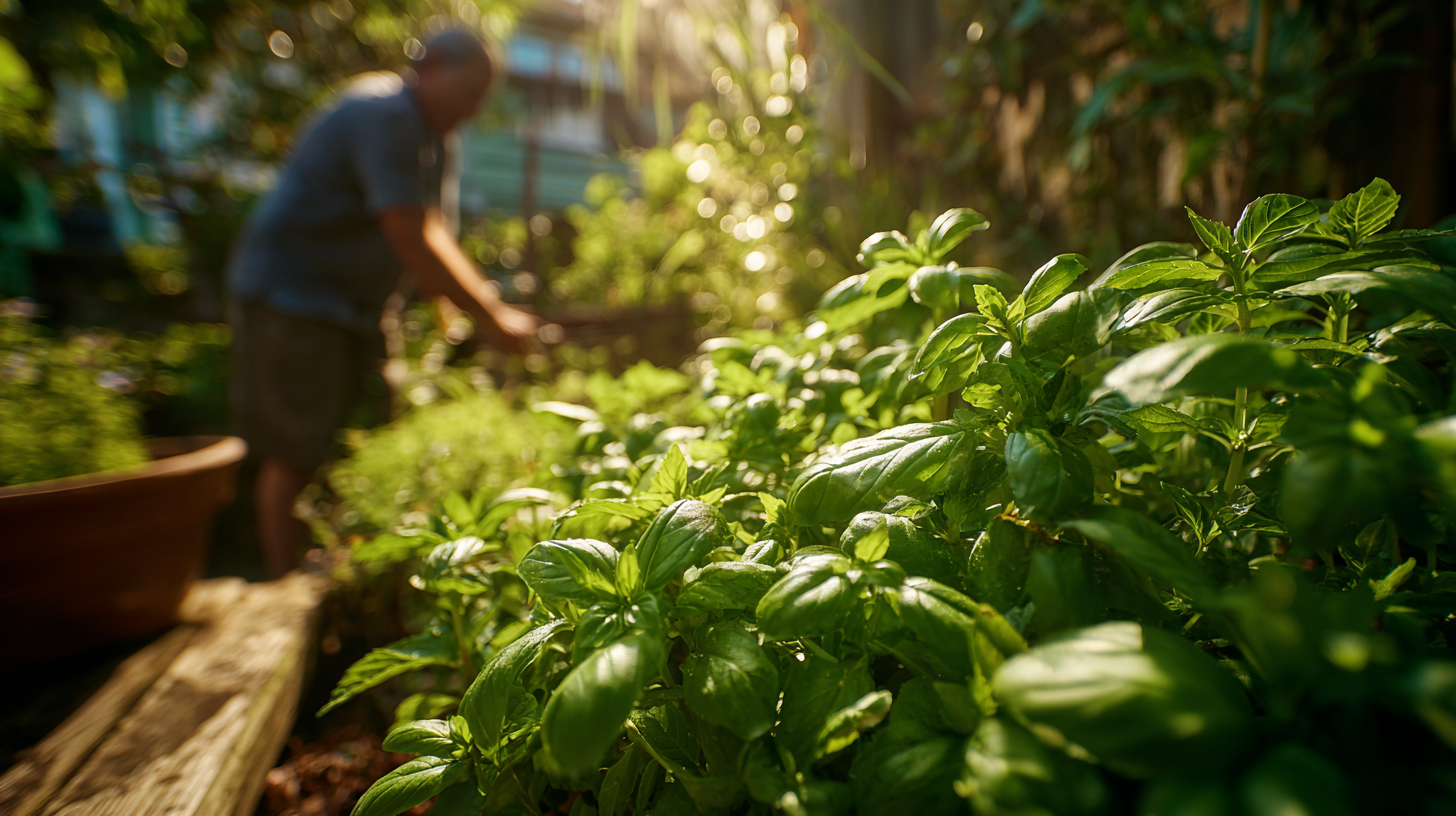 To achieve a thriving herb garden, proper planting and care techniques are essential. Start by choosing a suitable location that provides ample sunlight; most herbs require at least six hours of direct sunlight daily. If space is limited, use containers that can be easily moved to capitalize on the best light exposure throughout the day. Make sure to use high-quality potting soil for container plants, as it provides better drainage and nutrients.
When planting, consider spacing each herb adequately. Crowding can lead to insufficient air circulation, making your herbs more susceptible to diseases. Generally, spacing them 8 to 12 inches apart allows for optimal growth. Herb seedlings can be started indoors or directly sown outside. If starting indoors, transplant them after the last frost has passed to ensure proper acclimatization.
Watering is another critical aspect of herb care. While many herbs thrive with less water than traditional vegetables, regular moisture is needed to encourage growth, especially during dry spells. The rule of thumb is to water when the top inch of soil feels dry; this encourages deeper root development. Pay attention to the specific needs of each herb—some varieties, like basil and mint, enjoy more moisture, while others, such as thyme and rosemary, prefer drier conditions.
“Herbs are the most delightful and accessible plants to grow at home, connecting the physical act of gardening with the joys of cooking.”
Fertilization should be approached carefully; too much can lead to excess foliage at the expense of flavor. A balanced, organic fertilizer applied every month during the growing season is usually sufficient. Additionally, consider incorporating compost into the soil prior to planting to help provide a nutrient-rich base.
Regular pruning is important to encourage bushier growth and to prevent your herbs from becoming leggy. For instance, with basil, pinch off the tips of the branches regularly to stimulate new leaf production. Always harvest herbs by cutting stems just above the leaves, which allows for regrowth.
Pest control in the garden can be managed with various organic methods. Attracting beneficial insects such as ladybugs and lacewings can help control pest populations naturally. Regularly inspect your herbs for signs of pests or diseases, and remove affected leaves to avoid spreading any issues.
By being mindful of these gardening techniques, your herbs can thrive and contribute significantly to your journey toward self-sufficiency.
Harvesting and preserving your herbs
Herbs offer not just delightful flavors but also a treasure trove of possibilities for preservation once you harvest them. Imagine plucking fresh leaves from your garden, illuminating your meals with aromatic intensity while also promoting sustainability. Drying is one of the oldest and easiest methods for preserving herbs; simply tie bunches and hang them in a warm, dark, and well-ventilated space. Once brittle, those dried herbs can be stored in airtight containers, ready to grace your dishes long after the growing season ends.
Freezing is another viable method that retains much of the herbs’ freshness and flavor. Chopping herbs finely and placing them in ice-cube trays filled with water or olive oil can yield delightful, ready-to-use cubes for soups and sauces. When you’re ready to cook, these frozen nuggets dissolve beautifully, giving you that just-picked essence of the garden.
For those interested in infusing flavors, creating herbal oils or vinegars can add a gourmet touch to your culinary repertoire. Simply steep your chosen herbs in a good-quality oil or vinegar for a few weeks, then strain and store. These infusions not only enhance your dishes but can also be lovely gifts for fellow gardening enthusiasts or food lovers.
It’s essential to understand that not all herbs store well using the same methods. Some, like basil, are best preserved by making pesto or a similar paste before freezing, as they tend to lose their flavor quickly when dried. On the other hand, sturdier herbs like rosemary and thyme dry beautifully without compromising their essence.
Taking the time to learn about each herb’s specific requirements for harvesting and preservation will heighten your self-sufficiency levels and enhance the rewards of gardening. Knowing how to maximize the use of each herb allows you to create a rich tapestry of flavors and benefits, leading to healthier meals and reducing reliance on store-bought options.
- How do I know when it’s time to harvest my herbs?
- Most herbs can be harvested once they have reached a height of 6 to 8 inches and have established multiple leaves. Look for vibrant, healthy foliage; if the plants start to flower, it may affect the flavor, so it’s best to harvest before this occurs.
- What is the best method for drying herbs?
- Hanging them in small bundles in a warm, dark, and dry space works well. Alternatively, you can also use a dehydrator or an oven set to a low temperature, ensuring to check frequently to avoid burning.
- Can I freeze my herbs, and if so, how?
- Yes, you can freeze herbs by chopping them, placing them in ice cube trays, and filling them with water or oil. Once frozen, transfer the cubes to an airtight container for long-term storage.
- Which herbs are easiest to preserve?
- Hardier herbs like thyme, oregano, and rosemary are generally easier to dry and preserve than delicate herbs like basil or cilantro, which are best frozen or made into paste before preservation.
- How should I store my dried herbs?
- Store dried herbs in airtight containers, preferably in a cool, dark place to preserve their flavor. Glass jars or vacuum-sealed bags can be excellent choices for long-term storage.
- What are the signs that my herbs are going bad?
- Watch for changes in color, texture, and aroma. If the herbs lose their vibrant color or develop an off smell, they are likely past their prime and should be discarded.
- Can I use herbs that have gone to flower?
- While you can use herbs that have flowered, the flavor may be altered, often becoming more bitter or less intense. It’s typically best to harvest before flowering to ensure the best taste.
Incorporating herbs into your diet and lifestyle
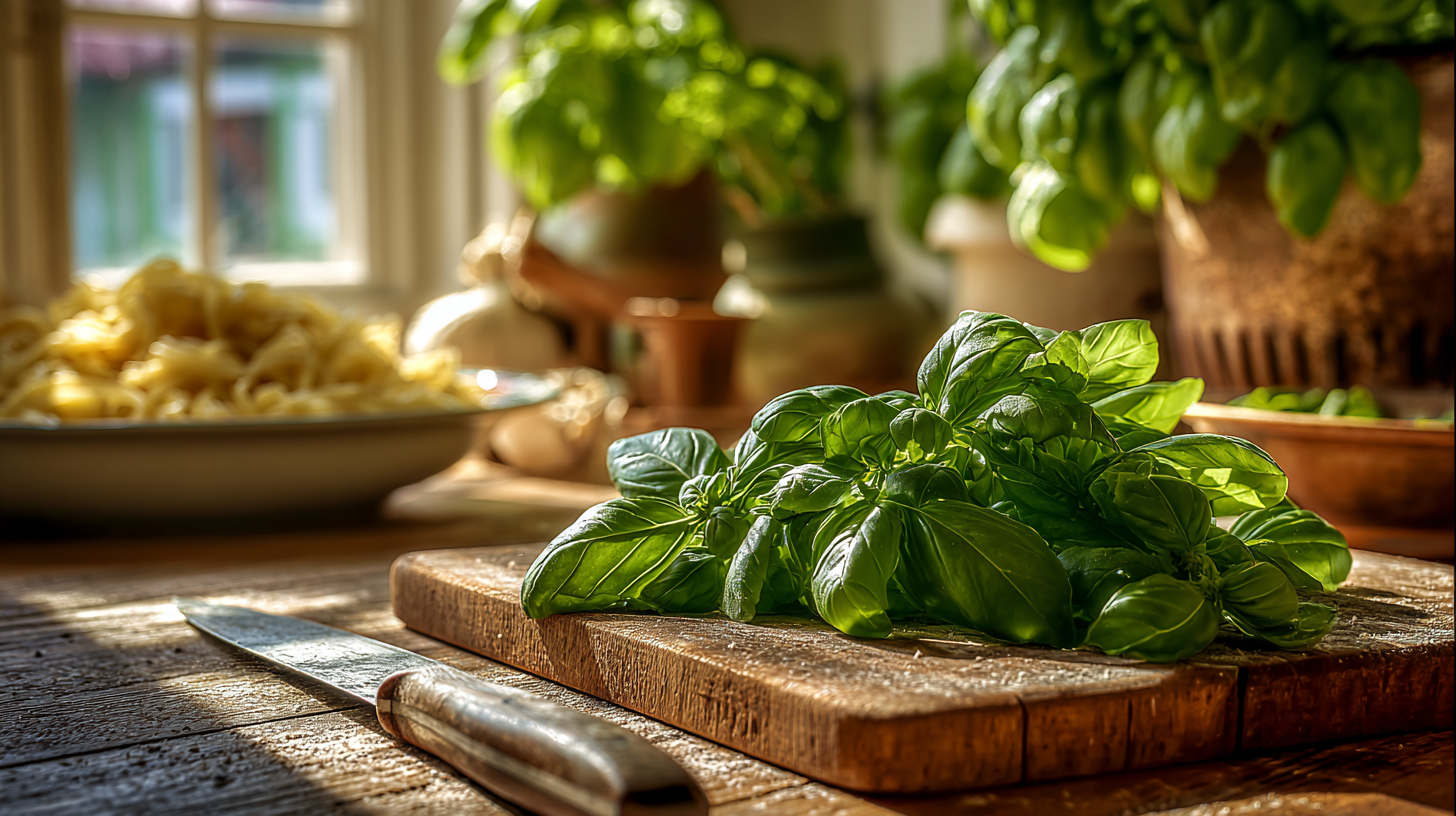
Integrating herbs into your daily diet and lifestyle can transform your culinary experience and enhance your overall self-sufficiency journey. Fresh herbs not only add vibrant flavors to your meals but also pack a punch when it comes to nutrition. Whether you’re seasoning a dish or preparing a soothing herbal tea, the possibilities are both simple and rewarding.
One easy way to start incorporating herbs is by adding them fresh to your meals. Chopping basil into your pasta sauce or sprinkling fresh parsley over a salad doesn’t require much effort but can elevate the dish significantly. You might also consider making herb-infused oils by combining a neutral oil with your choice of herbs. Just let the oil infuse for a couple of weeks in a dark, cool place. This can add depth to your salad dressings or marinades.
Additionally, herbs can play a crucial role in food preservation techniques. Preparing herb pesto, salsa, or chimichurri not only utilizes your fresh herbs but also creates sauces that can be frozen for later use. Imagine reaching for a homemade basil pesto during winter when you’re craving a taste of summer! Try experimenting with various herb combinations to create unique flavors that resonate with your palate.
For those interested in herbal remedies, consider using your home-grown herbs in teas or tinctures. Chamomile, lemon balm, and mint are excellent starting points for soothing drinks. Simply steep fresh or dried herbs in hot water for a nice infusion, or look into crafting herbal tinctures by soaking herbs in alcohol for an extended period. These can be a delightful addition to your health regimen and align perfectly with a self-sufficient lifestyle.
It’s also fun to involve the whole family in using herbs. Teach your children how to chop fresh herbs and let them sprinkle them over pizza or pasta. This not only fosters healthy eating habits but also sharpens their cooking skills. Consider starting a small kitchen herb garden by placing pots on a windowsill, allowing everyone to partake in the growing process and understand where food comes from.
Using herbs isn’t limited to just culinary uses; they can enhance your home environment too. Create herbal sachets from dried herbs like lavender or rosemary to freshen up your living spaces, or make homemade cleaning sprays infused with vinegar and herbs for a natural cleaning solution that smells great!
For those who enjoy crafting, herb bundles or wreaths can serve as aesthetically pleasing decorations while keeping your harvest within reach for daily use. They make wonderful gifts for friends and family, encapsulating the concept of sharing your homesteading passion.
As you develop your culinary prowess with home-grown herbs, pay attention to how certain flavors can complement specific dishes. Use sweet herbs like chervil or dill in seafood, while robust flavors such as sage and thyme enhance hearty meals. This approach reinforces the connection between your gardening efforts and your culinary creations, demonstrating the practicality of growing your own herbs.
Incorporating herbs into your daily routine is about more than just flavor; it’s about fostering a deeper connection with what you consume and how you live. The benefits of self-sufficiency extend into the kitchen, where the herbs you grow become tools for creativity, wellness, and sustainability.