
Soil quality is vital for ensuring optimal plant health in any nursery setting. When it comes to growing healthy plants, the foundation—the soil—plays a pivotal role. Healthy soil not only contributes to robust root systems but also influences nutrient availability, water retention, and overall plant vigor.
In the context of nursery management, it’s essential to understand that the soil acts as a life support system for plants. It houses essential microorganisms and nutrients that foster growth and resilience against diseases. Investing in high-quality soil can yield impressive results, enabling your plants to thrive and produce bountiful harvests.
For those involved in gardening or small-scale homesteading, consider testing the soil quality in your nursery. This allows you to identify any deficiencies or harmful elements. You might use soil test kits available at gardening stores or send samples to local agricultural extensions for a more detailed analysis.
Here are some strategies to ensure superior soil quality:
- Start with organic matter: Incorporate compost, aged manure, or leaf mold to enhance the nutrient content and structure of your soil.
- Understand soil pH: Most plants thrive at a pH of 6.0 to 7.0. If your soil is too acidic or alkaline, consider adding lime or sulfur as necessary.
- Mulching: Apply a layer of mulch to regulate soil temperature, conserve moisture, and suppress weeds.
- Crop rotation: Rotate your plants in the nursery to prevent nutrient depletion and reduce the risk of disease.
- Minimizing soil disturbance: Reduce tilling and compaction to maintain soil structure and microbial health.
By paying close attention to soil quality and employing these best practices, you can enhance not only plant health but also the overall success of your nursery. Remember that the foundation of a thriving garden lies in the health of its soil.
Factors influencing soil quality
Several key factors directly influence soil quality, making it essential for nursery management to understand these variables for the successful cultivation of healthy plants. Among these factors are soil texture, structure, organic matter content, nutrient availability, pH level, and microbial activity. Each of these elements contributes to creating an environment that supports robust plant growth and overall health.
Soil texture refers to the composition of different particle sizes, namely sand, silt, and clay. The texture significantly affects water retention, drainage, aeration, and nutrient-holding capacity. For instance, sandy soils drain quickly, which can lead to drought stress, while clay soils retain water but may become compacted, restricting root growth. Ideally, a balanced loamy texture offers a combination of drainage and nutrient retention, promoting optimal plant health.
The structure of the soil, which pertains to how soil particles aggregate and form clumps, is equally critical. Good soil structure enhances porosity and aeration, allowing roots to penetrate easily while facilitating the movement of water and nutrients. Poorly structured soil can lead to issues such as compaction and poor drainage, both of which hinder plant growth.
Organic matter plays a crucial role in improving soil quality. It is responsible for enhancing soil structure, moisture retention, and nutrient cycling. As organic matter decomposes, it releases essential nutrients, increasing soil fertility. Regular incorporation of compost or other organic materials is vital for maintaining a healthy soil ecosystem that supports plant health.
Nutrient availability is another pivotal factor. Plants require a range of macronutrients (nitrogen, phosphorus, potassium) and micronutrients (iron, zinc, copper) for their growth and development. The specific nutrient requirements may vary based on plant species; however, nutrient deficiencies can lead to symptoms such as stunted growth, poor flowering, and increased susceptibility to diseases. Conducting regular soil tests can help identify nutrient levels and inform the appropriate amendments needed to enrich the soil.
The soil pH level is equally important, as it influences nutrient solubility and availability to plants. Most plants thrive in a slightly acidic to neutral pH range (6.0 to 7.0). Acidic soils can lead to nutrient lockout, preventing plants from accessing essential nutrients. Adjusting pH levels can be done through the addition of lime to raise pH or sulfur to lower it, ensuring an optimal environment for plant health.
Lastly, microbial activity is crucial for nutrient cycling and maintaining soil health. A diverse community of microorganisms contributes to organic matter decomposition, nitrogen fixation, and disease suppression. Factors such as soil compaction, chemical fertilizers, and inappropriate tillage practices can harm microbial populations, thereby diminishing soil quality and impacting plant growth.
| Factor | Impact on Soil Quality | Recommendations for Improvement |
|---|---|---|
| Soil Texture | Affects drainage and nutrient retention | Amend with organic matter or adjust with sand/clay |
| Soil Structure | Influences aeration and root penetration | Avoid excessive tilling; incorporate cover crops |
| Organic Matter | Enhances fertility and moisture retention | Add compost and mulch regularly |
| Nutrient Availability | Critical for plant growth and health | Conduct soil tests; amend based on results |
| Soil pH | Controls nutrient solubility | Test and amend pH with lime or sulfur |
| Microbial Activity | Affects nutrient cycling and disease resistance | Minimize chemical use; promote biodiversity |
Considering all these factors, effective management of soil quality is essential not just for achieving high yields but also for nurturing healthy plants capable of thriving in diverse conditions. By attentively monitoring and improving each aspect, nursery managers can create a more sustainable and productive environment that fosters plant health and vitality.
Assessing soil quality in nurseries

Assessing soil quality in your nursery involves a combination of straightforward techniques that can yield insightful results, guiding you toward informed decisions for enhancing plant health. The first step is to perform a thorough soil test, which can identify pH levels, nutrient concentrations, and organic matter content. This foundational information not only highlights existing soil conditions but also pinpoints specific areas that may need improvement to optimize growth.
Start by gathering soil samples from various locations within your nursery. It’s essential to take samples from different depths, typically ranging from 3 to 6 inches down, to ensure a comprehensive assessment. Mix these samples thoroughly in a clean bucket to create a representative sample for testing. Many local gardening centers offer soil test kits that are simple to use—just follow the included instructions carefully. Alternatively, consider sending your samples to a local agricultural extension for a more detailed analysis, which provides a wealth of knowledge regarding the soil’s health and composition.
Once you have the results, pay close attention to the pH level, as it significantly influences nutrient availability to your plants. A pH below 6.0 may indicate acidic conditions, while a pH above 7.0 suggests alkalinity. In such cases, making adjustments is crucial. For example, if your soil is too acidic, adding lime can help raise the pH. On the other hand, if it’s too alkaline, incorporating sulfur or organic matter can help lower it. Keeping your nursery’s soil within the optimal pH range (6.0 to 7.0) is key for sustaining high soil quality and promoting robust plant health.
In addition to pH, take stock of nutrient levels, especially macronutrients like nitrogen, phosphorus, and potassium. If testing reveals deficiencies, consider implementing organic amendments such as compost or specific fertilizers tailored to your plants’ needs. For instance:
- Nitrogen: Promote leafy growth—great for leafy greens and shrubs—by adding well-rotted manure or blood meal.
- Phosphorus: Essential for root development and flowering, bone meal can be a valuable amendment.
- Potassium: Crucial for overall plant health and disease resistance, consider using greensand or wood ash.
Another vital aspect of assessing soil quality is evaluating its structure and texture. Soil that is too compacted can hinder root growth, while overly sandy soil may require additional organic matter to improve its moisture-retaining capacity. To check soil texture, perform a simple “squeeze test.” Take a handful of moist soil and squeeze it tightly; if it retains a shape and crumbles easily, the texture is likely optimal for plant growth. If it holds together too much, your soil may be too clay-heavy and could benefit from amelioration with sand or organic material.
Don’t overlook the presence of microorganisms, either! Consider incorporating practices that foster a diverse microbial community, such as cover cropping or minimizing chemical use. Beneficial microbes are essential for nutrient breakdown and can drastically improve soil quality over time. To promote their activity, avoid over-tilling, which can disturb the delicate soil ecosystem.
By routinely assessing soil quality and implementing these actionable strategies, you not only create a healthy environment for your plants but also lay the groundwork for successful nursery management. Healthy soil leads directly to flourishing plants, benefitting both your gardening efforts and your overall gardening satisfaction.
Improving soil quality through best practices
Improving soil quality through best practices is a multifaceted approach that involves both physical and biological enhancements to foster a thriving environment for plants. One of the foundational elements in achieving superior soil quality is the regular incorporation of organic matter. Adding compost, well-rotted manure, or leaf mold significantly increases nutrient content and helps improve soil structure. These organic materials not only provide essential nutrients but also foster a habitat for beneficial microorganisms. This biological activity is crucial, as it enhances nutrient cycling and improves soil health over time.
Another effective strategy is to monitor and adjust soil pH to ensure it remains within the ideal range for plant health, typically between 6.0 and 7.0. Implementing amendments such as lime to raise pH or sulfur to lower it can significantly impact nutrient availability. Regular testing is essential to determine the current pH level and to make informed adjustments that support optimal plant conditions.
Implementing a mulching strategy can also play a vital role in enhancing soil quality. A layer of mulch not only helps in regulating soil temperature and maintaining moisture levels but also suppresses weed growth, protecting the nutrients in the soil. Organic mulches, such as shredded bark or straw, break down over time, further enriching the soil as they decompose.
Crop rotation is another key practice that can sustain and improve soil quality. By varying the types of plants grown in a particular area from season to season, you can prevent nutrient depletion and reduce the risk of soil-borne diseases. Different plants have varying nutrient requirements and root structures, which can contribute to a healthier soil profile as they complement each other’s growing patterns.
Minimizing soil disturbance through reduced tilling practices is particularly important for maintaining soil structure and the vital microbial community within. Over-tilling can lead to soil compaction, diminishing aeration and drainage capabilities, which can impede plant growth. Instead, consider no-till methods or minimal disturbance techniques that allow the soil to retain its natural structure.
“Healthy soil is the foundation of healthy plants.” – Unknown
Integrating these best practices into your nursery management routine ensures that you are proactively improving soil quality. By fostering an environment that prioritizes organic matter, proper pH levels, mulching, crop rotation, and minimal disturbance, you lay the groundwork for sustainable plant health and productivity. These efforts not only result in thriving plants but also contribute to a more resilient and ecologically balanced nursery ecosystem, benefiting both current and future crops.
Impact of soil quality on plant growth
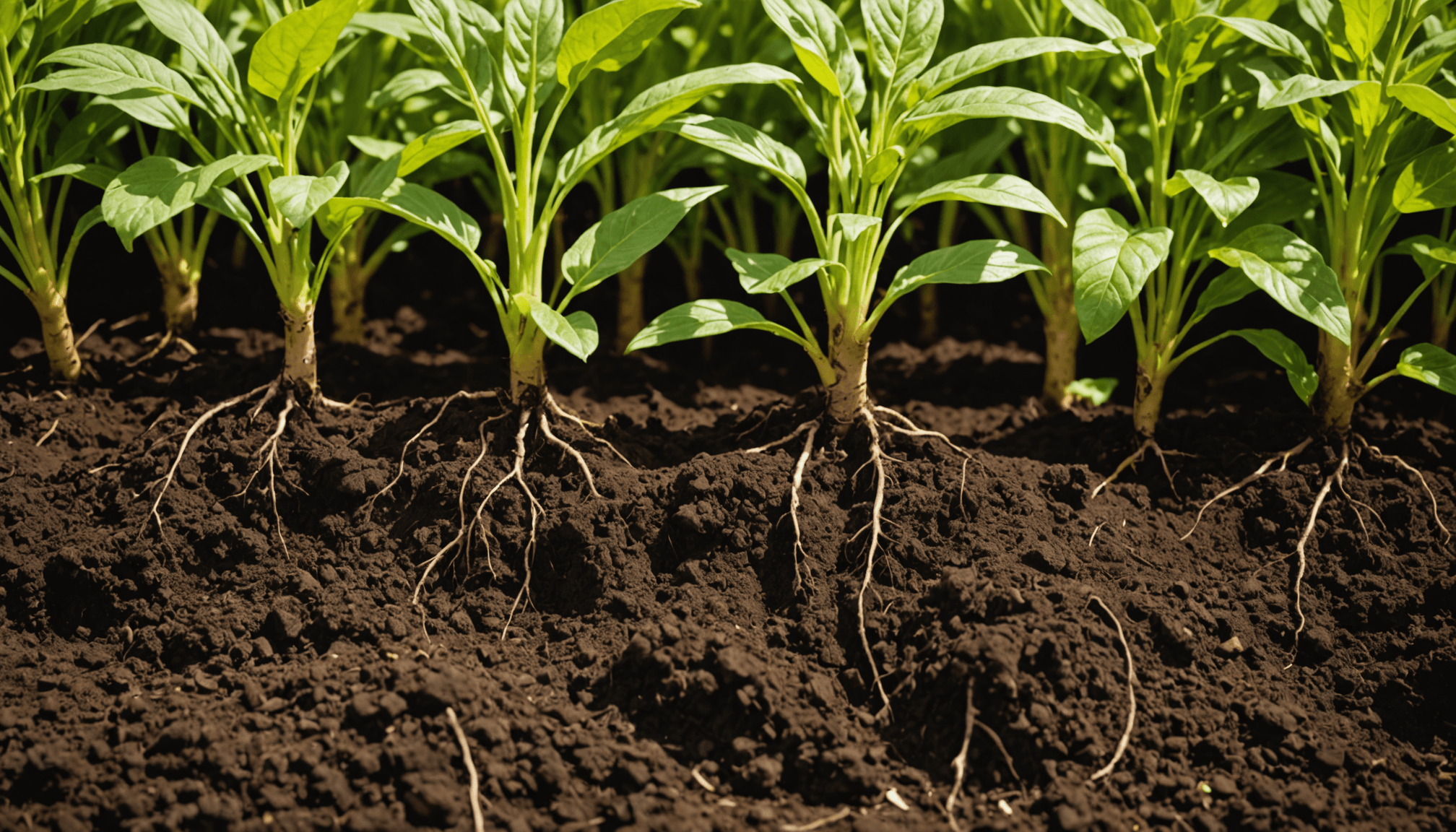
Soil quality plays a crucial role in the impact on plant growth within the nursery setting. When soil is of high quality, it creates an optimal environment for plants to thrive, allowing for the absorption of nutrients and water necessary for their development. Healthy soil fosters a diverse community of microorganisms that contribute to nutrient cycling and decomposition, helping provide the essential elements needed for growth. In contrast, poor soil quality can lead to stunted growth, nutrient deficiencies, and increased susceptibility to pests and diseases, ultimately affecting plant vitality and overall productivity in the nursery.
The health of plant roots is directly correlated to the surrounding soil quality. A well-structured soil with good aeration encourages root expansion, allowing plants to access water and nutrients more effectively. This dynamic not only supports stronger and more resilient plants but also promotes vigorous growth. Conversely, compacted or poorly drained soil can suffocate roots and hinder their ability to reach necessary resources, leading to weakened plants and reduced growth rates.
Moreover, the interaction between soil quality and plant health extends beyond individual species to encompass entire ecosystems within the nursery. Different plant species may have varying requirements for nutrient uptake and can affect the soil quality through their growth patterns. For example, deep-rooted plants can help break up compacted layers, while plants that utilize specific nutrients can enhance the available supply for neighboring species. Thus, maintaining optimal soil quality contributes to fostering a synergistic environment that allows for diverse plant growth, leading to a healthier overall nursery system.
Considering the impact of soil quality on plant growth, nursery managers must regularly assess their soil conditions and apply corrective measures to foster optimal conditions. This approach not only improves individual plant health but also enhances the sustainability and productivity of the nursery as a whole. Engaging in practices such as soil testing, organic amendments, and crop rotation can create a ripple effect, benefitting plant growth, soil vitality, and the health of the entire ecosystem.
- What are the signs of poor soil quality?
- Signs of poor soil quality include poor drainage, compacted soil, reduced plant growth, nutrient deficiencies, and increased susceptibility to diseases and pests. These indicators often manifest in stunted growth, discoloration of leaves, and overall plant vigor decline.
- How can I improve soil quality in my nursery?
- Improving soil quality can be achieved through several practices, such as adding organic matter (compost or aged manure), conducting soil tests, adjusting pH levels, practicing crop rotation, and minimizing soil disturbance. These actions can enhance nutrient cycling and promote a healthier soil ecosystem.
- What is the optimal pH level for most plants?
- The optimal pH range for most plants is between 6.0 and 7.0. This range ensures better nutrient availability and overall soil health, allowing plants to thrive effectively.
- How often should I test my soil?
- Soil testing is recommended at least every 1 to 2 years to monitor nutrient levels and pH balance. Frequent testing after major amendments or crop rotations can also provide insights into any necessary adjustments.
- Can soil quality impact pest resistance in plants?
- Yes, high-quality soil enhances plant health, which in turn can improve resistance to pests and diseases. Healthy plants are generally more capable of withstanding pest pressures, making soil quality an indirect but crucial factor in pest management.
- What role does organic matter play in soil quality?
- Organic matter is vital for improving soil quality as it enhances nutrient content, moisture retention, soil structure, and microbial activity. Regularly incorporating organic materials such as compost can significantly improve the overall health of the soil.
- Why is soil structure important for plant growth?
- Soil structure determines how well soil can retain moisture and nutrients and enhances aeration, which is essential for root expansion. Good soil structure allows roots to penetrate easily and access essential resources, promoting healthy plant growth.
Conclusion: Ensuring soil quality for successful nurseries
Achieving exceptional soil quality is crucial for nursery management and the overall success of your plant endeavors. Don’t overlook simple but effective practices that can revolutionize your gardening efforts. Are you aware that just a handful of quality compost can make a significant difference? Regularly enriching your soil with organic matter enhances its nutrient content and aids in water retention, creating a thriving environment for your plants. Aim for deep, rich compost that has broken down thoroughly to ensure it’s packed with essential nutrients.
Pay close attention to the texture of your soil as well. Have you noticed how different types of soil interact with water? Sandy soils drain quickly, while clay soils hold water but can suffocate roots if compacted. To strike a balance, consider mixing in organic materials that improve both drainage and moisture retention. A recommended tactic is to incorporate well-rotted manure or leaf mulch—these not only provide direct benefits to the soil but also help create a structure that supports healthy root systems.
If you haven’t already, establish a solid plan for watering. Overwatering is a common pitfall that can lead to poor soil health and root rot. One way to assess your watering needs is to check the top inch of soil; if it feels dry, it’s time to water. However, if it’s still moist, wait a day or two longer to avoid waterlogged conditions. This practice will refine your watering routine and contribute to optimal soil quality.
Ready for another tip? Embrace the power of cover crops! Growing crops like clover or rye during the off-season not only protects your soil from erosion but also adds organic matter back into the soil when they decompose. Plus, legumes in particular can fix nitrogen in the soil, enhancing its fertility for the next planting season.
Now, let’s talk about soil pH—an often-overlooked aspect of soil health. pH influences how nutrients are absorbed by plants, so have you tested your soil yet? If your soil is acidic (below 6.0), consider adding lime to raise the pH. If it’s alkaline (above 7.0), you might want to lower it using elemental sulfur. A little knowledge here can lead to significant improvements in your plants’ health.
Finally, consider the biodiversity in your surroundings. Healthy soil is teeming with microorganisms that work tirelessly to break down organic matter and release nutrients. To foster this biodiversity, minimize the use of synthetic fertilizers and pesticides, which can disrupt the microbial ecosystem. Instead, opt for natural amendments and integrated pest management strategies that circle back to nurturing your soil life.
By weaving these methods into your nursery management practices, you’re setting the stage for flourishing plants. Every little action you take toward enhancing soil quality leads to more resilient and vibrant plants. Get ready to witness the flourishing garden of your dreams!